
Rottweiler
Descended from the war dogs of the Roman Empire — the Rottweiler Metzgerhund that guarded butchers' gold around their necks. The #7 AKC breed with a 328 PSI bite force, osteosarcoma crisis, and the famous Rottie lean. Discover everything in our complete breed guide.
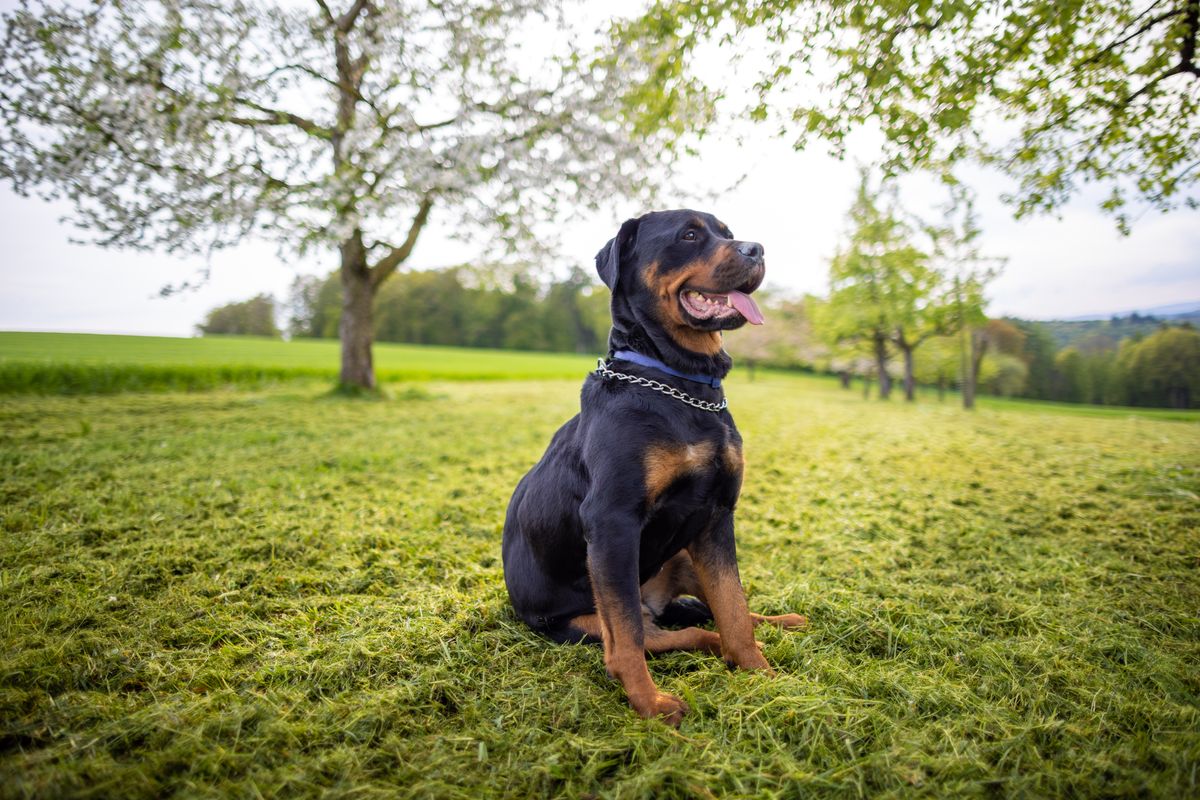
Breed Overview
Quick facts at a glance — size, lifespan & key traits
Temperament & Training
Personality traits rated on a 1–10 scale
📖 About the Rottweiler — Roman War Dog to Butcher's Guardian
The Rottweiler has one of the longest documented histories of any breed — over 2,000 years back to the Roman Empire. As Roman legions marched across Europe, they brought large, mastiff-type drover dogs to herd cattle feeding the army. These dogs were fearless guardians — protecting livestock from wolves, bears, and thieves at night, driving them by day. When Romans reached southern Germany around 74 AD, they built a settlement that became Rottweil ("das Rote Wil" — the red villa, for its red-tiled roofs).

The Butcher's Dog — Rottweiler Metzgerhund
Centuries later, Rottweil became a major cattle trading center. Local butchers used descendants of Roman dogs to drive cattle to market, pull heavy meat carts, and — crucially — guard the money. Butchers tied the day's profits in a leather pouch around the dog's neck — no thief was foolish enough to try. These dogs earned the name "Rottweiler Metzgerhund" — the Rottweil Butcher's Dog. When railroads replaced cattle drives in the mid-1800s, the breed nearly went extinct. By 1900, only ONE Rottweiler remained in Rottweil. Dedicated German breeders saved the breed, and in 1910 it was recognized as Germany's fourth police dog breed.
💛 Personality & Temperament
The Rottweiler is one of the most misunderstood breeds in existence. Media portrays them as killers. Reality: a well-bred, well-raised Rottweiler is calm, confident, deeply affectionate with family, and devastatingly effective as a guardian when needed. They don't bark warnings — they watch silently, assess, and respond decisively.
Key Personality Traits
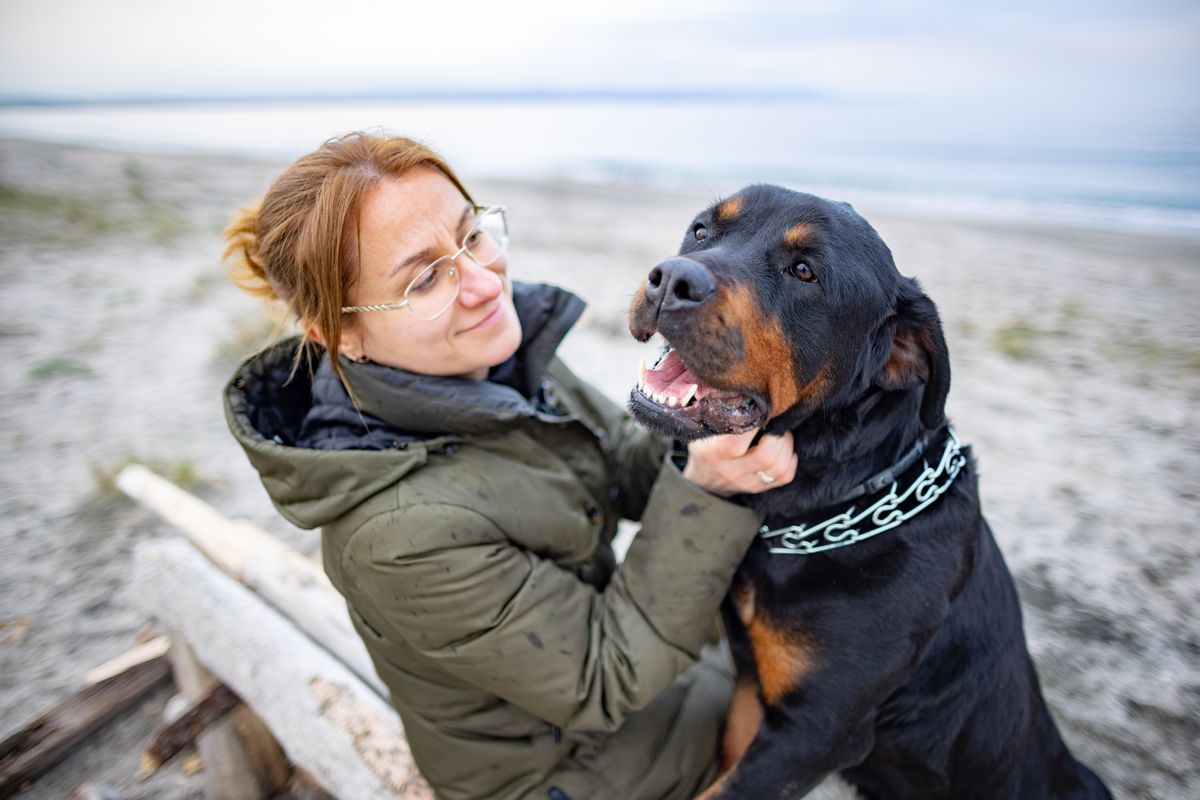
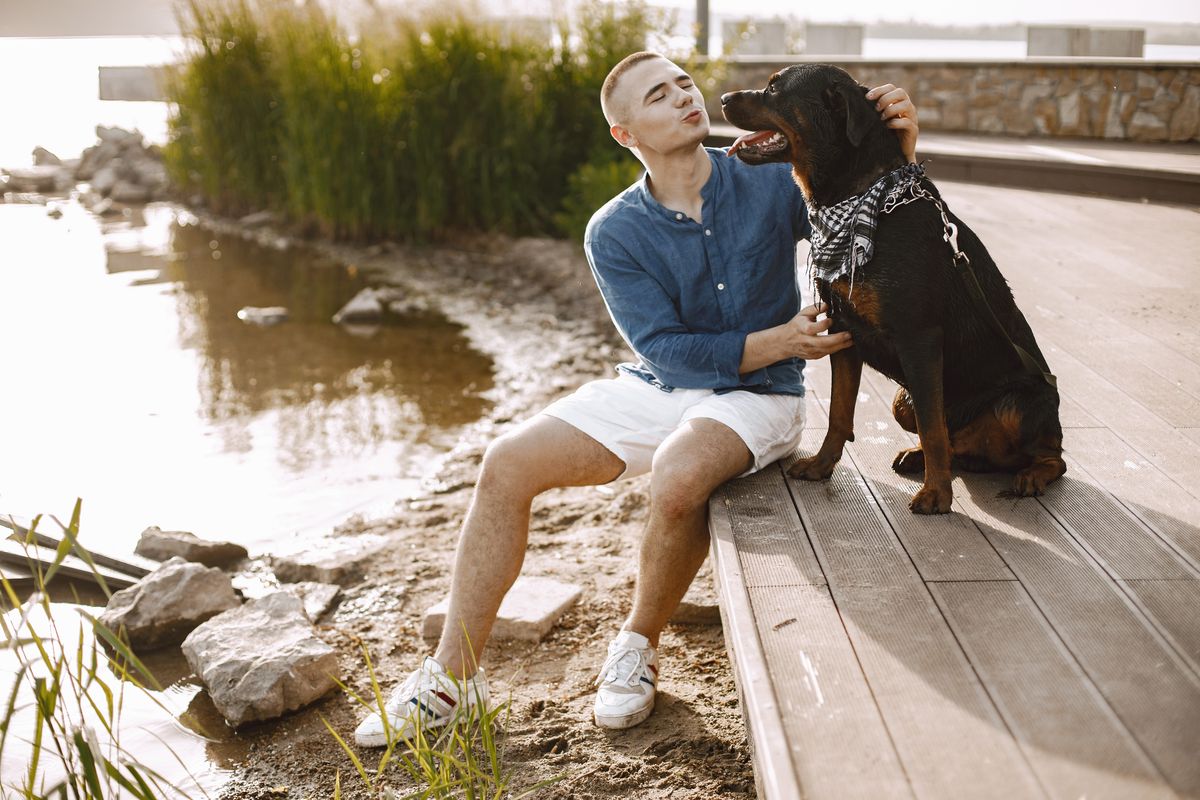
- The Rottie lean — not aggression, AFFECTION: Rottweilers express love physically. They press their full body weight against your legs, sit ON your feet, and lean into you constantly. This is the breed's hug — at 110+ lbs, you'll feel every pound.
- Silent watcher, not a barker: A Rottweiler doesn't engage in pointless barking. They observe everything, miss nothing, and act only when action is required. Their calm is often mistaken for being "laid-back" — it's actually situational awareness.
- Velcro dog — with a 130-lb body: They follow you everywhere: bathroom, kitchen, garage, bed. A Rottie who can't see their person is looking for them. Separation anxiety is common and destructive.
- Same-sex aggression is REAL: Rottweilers — especially males — can be dog-aggressive with same-sex dogs. This is breed-standard temperament, not a "training issue." Early and extensive socialization from 8-16 weeks is non-negotiable.
- A thinking guardian — not a mindless attacker: They assess threats. A stranger walking past gets a silent stare; a stranger grabbing your child gets a full-force response without hesitation.
⚠️ The Most Misunderstood Breed — The Truth
Rottweilers are frequently demonized by media and Breed-Specific Legislation. But temperament testing tells a different story:
- Bad breeding ruined reputation: The 1990s Rottweiler boom created a flood of backyard-bred, untested, unstable dogs. A poorly bred Rottie is a liability. A well-bred one from health-tested, temperament-tested working lines is among the most stable dogs on Earth.
- The real risk: 328 PSI bite force: One of the highest bite forces of any breed means if a Rottie bites, damage is catastrophic. This isn't about "aggression frequency" — it's about consequence severity. This makes training, socialization, and responsible ownership LITERALLY life-and-death responsibilities.
⚕️ Health & Wellness
The Rottweiler's tragically short lifespan — just 8-10 years on average — is the breed's greatest heartbreak. Cancer is the #1 killer.
Major Health Issues
- Osteosarcoma (Bone Cancer): Rottweilers have one of the highest rates of ANY breed. Any unexplained limping in a Rottie over age 5 is an emergency — immediate X-rays required. This aggressive bone cancer metastasizes rapidly.
- Hip Dysplasia: ~20% affected. OFA/PennHIP screening mandatory. Weight management CRITICAL.
- Elbow Dysplasia: ~15% affected. Front-leg lameness, often bilateral.
- Subvalvular Aortic Stenosis (SAS): Congenital heart defect causing sudden death in young dogs. Diagnosed by echocardiogram with Doppler. All breeding Rotties must be screened.
- Bloat (GDV): Deep-chested breed at EXTREME risk. Prophylactic gastropexy recommended.
- ALL (Acute Lymphoblastic Leukemia): Elevated risk of this aggressive blood cancer.
- Hypothyroidism + Allergies: Common endocrine and immune issues.
🏃 Exercise & Activity
Rottweilers are moderate-to-high energy working dogs who are surprisingly athletic for their size. A Rottie without structure becomes destructive, obese, and unstable.
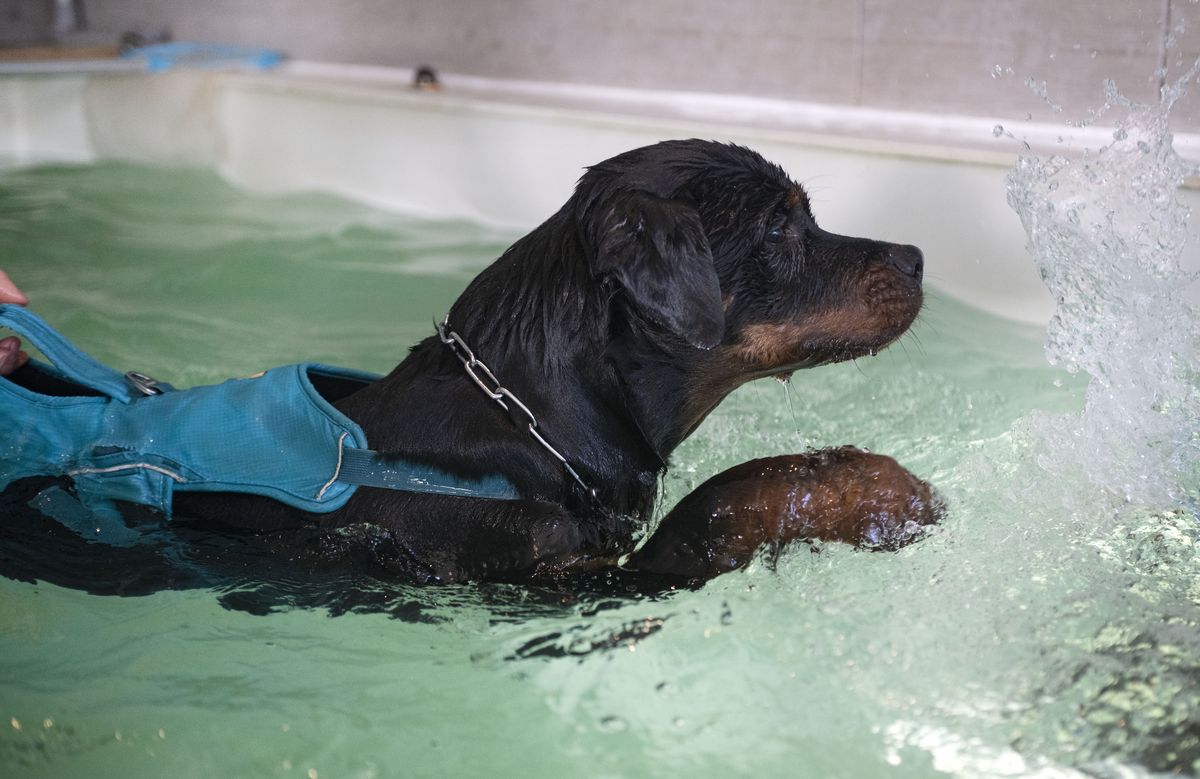
- 1-2 hours daily: Structured walks, swimming, hiking. NOT a jogging partner until 18-24 months — growth plates in giant breeds close late.
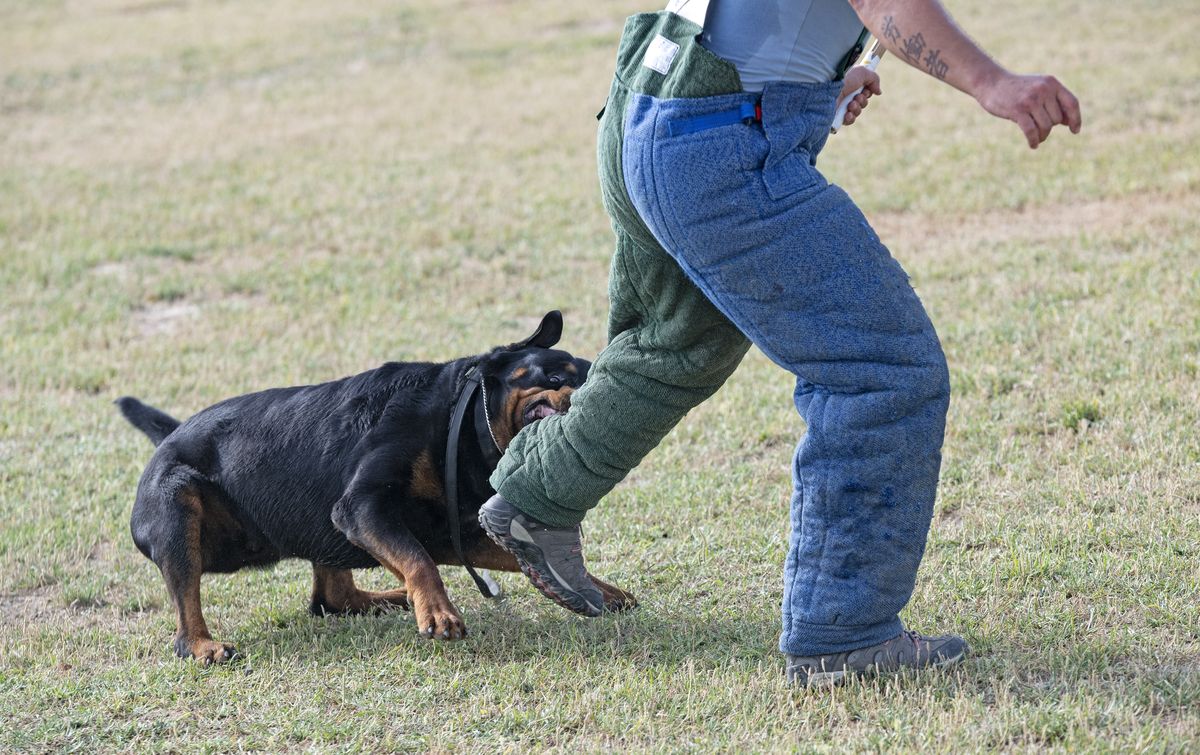
- Mental work ESSENTIAL: Scent work, obedience, Schutzhund/IGP, cart-pulling, puzzle toys. 15 minutes of scent work = 30 minutes of walking in mental exhaustion.
- Cart-pulling is IN their DNA: Rottweilers pulled heavy butcher's carts for centuries. Draft training is the single best exercise: builds muscle, burns energy, satisfies genetic drives.
- Puppy exercise CONTROLLED: No forced running, jumping, or stairs until 18 months — protects developing joints.
✂️ Grooming & Maintenance
The Rottweiler's medium double coat is relatively low-maintenance — but they shed consistently.
- Weekly brushing with rubber curry brush. During coat blows: 2-3× weekly.
- Bathing every 6-8 weeks. Rotties are generally clean dogs.
- Nail trims every 2-3 weeks — critical for giant breed foot structure.
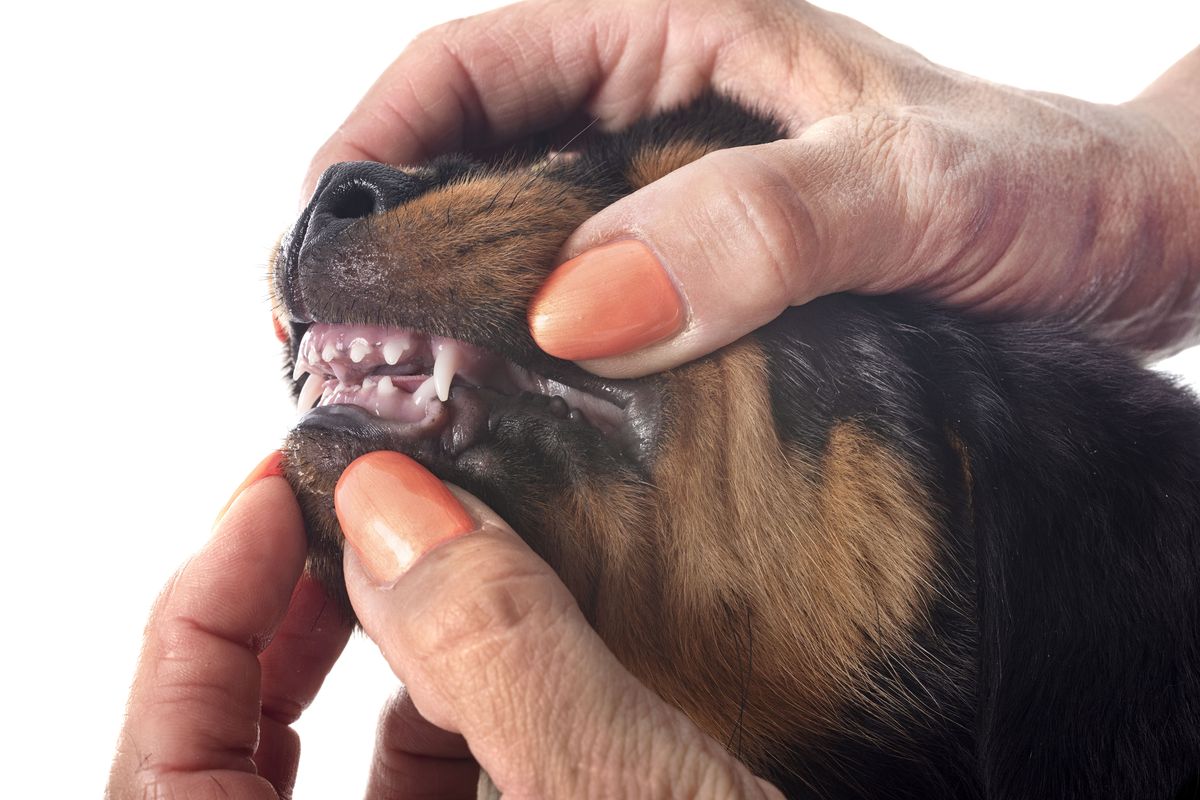
- Dental: Brush 2-3× weekly. Annual professional cleaning from age 3.
- Ear checks weekly.
Care Needs
Daily care requirements & suitability ratings
Brushing
Weekly. Moderate shedding year-round, heavier during coat blows.
LOW EFFORTTraining
Professional training non-negotiable. Continuous from puppyhood.
NON-NEGOTIABLEExercise
1-2h daily. Draft work, scent work, obedience. Not just walks.
MODERATE-HIGHMental Work
ESSENTIAL. Cart-pulling, scent work, IGP. Daily structured sessions.
ESSENTIALHealth Screening
OFA hips/elbows, cardiac echo, annual bloods. Cancer vigilance.
CRITICALContainment
6-foot fence minimum. Secure containment is a LIABILITY issue.
MANDATORY🍽️ Feeding & Nutrition
Rottweilers are large, muscular dogs with a deep chest (bloat risk) and a tendency toward rapid growth damaging joints. Puppy nutrition is especially critical.
Daily Feeding Guidelines
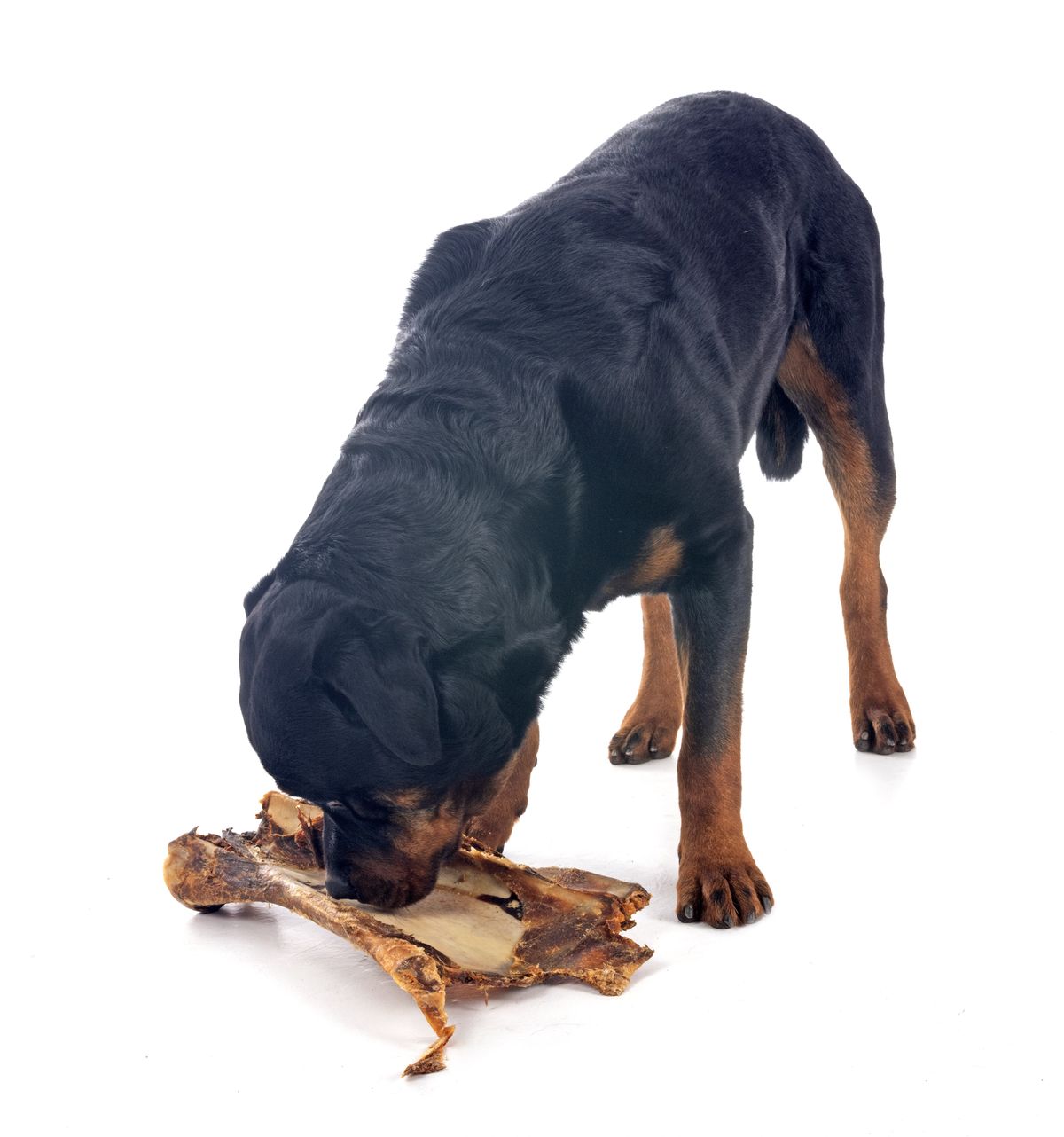
- High-quality large-breed formula with controlled calcium/phosphorus for puppies — rapid growth = joint destruction in giant breeds.
- Adult daily caloric needs: 2,000–2,600 kcal males, 1,600–2,000 kcal females. Active Rotties need more.
- Feed 2-3 measured meals/day — never one large meal (bloat). Elevated feeders are controversial — floor-level slow-feeders may be safer.
- Joint supplements from puppyhood: Glucosamine, chondroitin, omega-3s, green-lipped mussel.
- No exercise 1h before + 2h after meals — bloat prevention.
Color & Markings
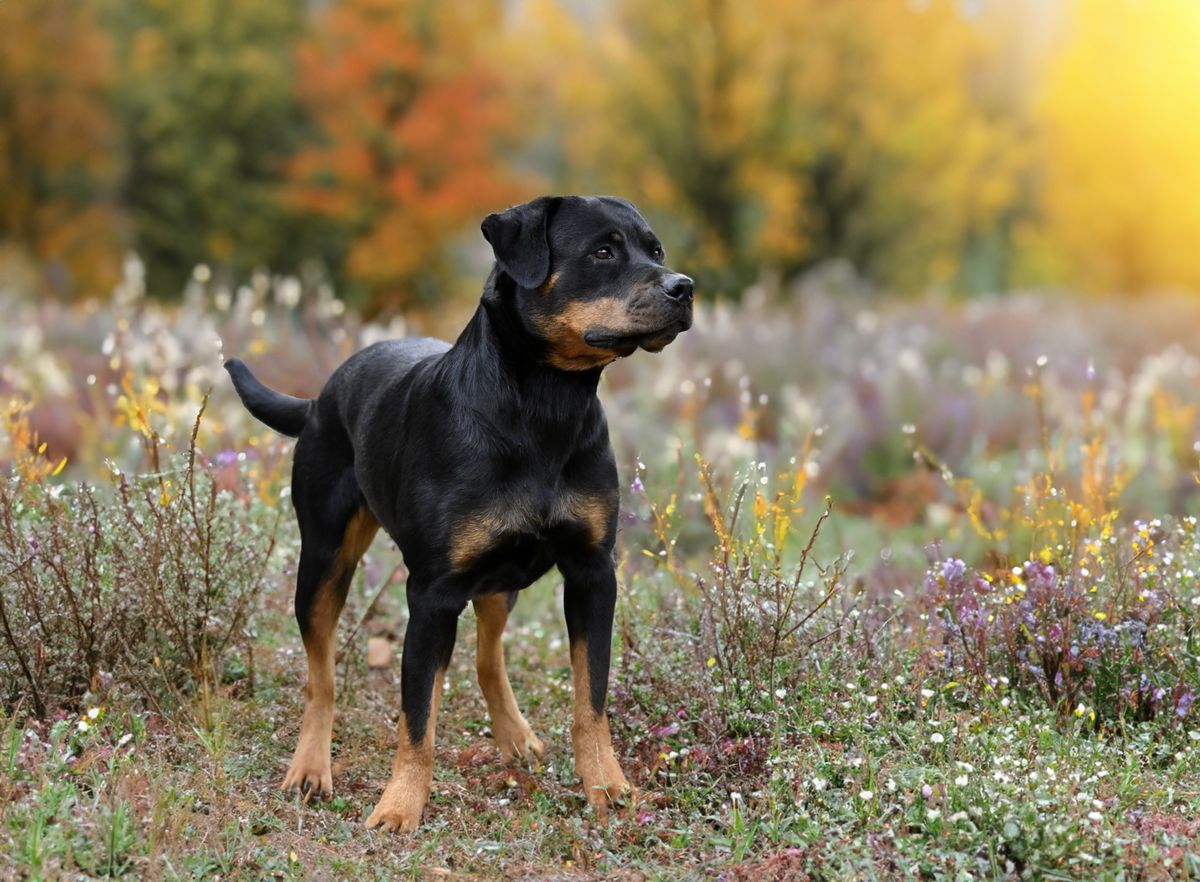
The iconic black-and-tan coat — strictly defined by the AKC standard
The AKC standard is absolute: Rottweilers must be black with clearly defined tan-to-mahogany markings on cheeks, muzzle, throat, chest, legs, eyebrows, and under the tail. The richness of mahogany varies from light tan to deep, lustrous red.
* Markings must be clearly defined and ≤10% of body surface. Red, blue, or albino Rottweilers are genetic mutations — not standard, often with health issues.

Cost Breakdown
Estimated expenses for owning a Rottweiler in 2026 (USD)
| Expense Category | Estimated Cost (USD) |
|---|---|
| 🐶 Puppy (OFA + cardiac-tested parents) | $1,500 – $3,500 |
| 🌟 Elite Working/Schutzhund Lines | $3,500 – $8,000 |
| 🍖 Annual Food (giant breed, quality) | $900 – $1,600 |
| 🏥 Annual Vet + Cancer Screening | $900 – $2,500 |
| 🎯 Professional Training (lifetime) | $1,000 – $3,500 |
| 🧸 Toys, Gear, Grooming, Misc | $600 – $1,400 |
| 📦 Initial Setup (XL crate, harness) | $300 – $700 |
| 💵 Annual Total | $3,400 – $9,000 |
| 💵 Lifetime (8–10 yrs) | $37,400 – $84,000 |
* Professional training is not optional. Cancer treatment can add $5,000-$15,000+. Prophylactic gastropexy (~$500-800) strongly recommended.
👤 Ideal Owner Profile
The Rottweiler is NOT a beginner's dog. They require a calm, confident, experienced owner who understands guardian breeds, provides structure without harshness, and commits to lifetime management.
✅ Great For
- Experienced guardian breed owners — not your first powerful dog
- Calm, confident individuals who lead without anger or fear
- Sport homes — Schutzhund/IGP, draft work, obedience, tracking
- Families with older children who respect the dog's space and size
- Those with secure property — 6-foot fence minimum, no exceptions
⚠️ Not Ideal For
- First-time or timid owners — this breed reads weakness
- Apartment/sedentary living — space + daily work required
- Homes with same-sex dogs — same-sex aggression is breed-standard
- People who fear breed stigma — insurance, housing, public scrutiny are REAL
- Those unwilling to train continuously — an untrained Rottie is a liability
💡 Fun Facts & Trivia
2,000-year-old breed: Rottweilers trace directly to Roman drover dogs that marched with legions across the Alps. Older than most modern countries.
Money around the neck: Butchers tied the day's gold in a leather pouch around their Rottie's neck. No thief in history ever retrieved it. 2,000 years of guarding genetics.
One dog from extinction: By 1900, only ONE Rottweiler remained in Rottweil. The entire modern breed descends from a handful saved by German breeders in the early 1900s.
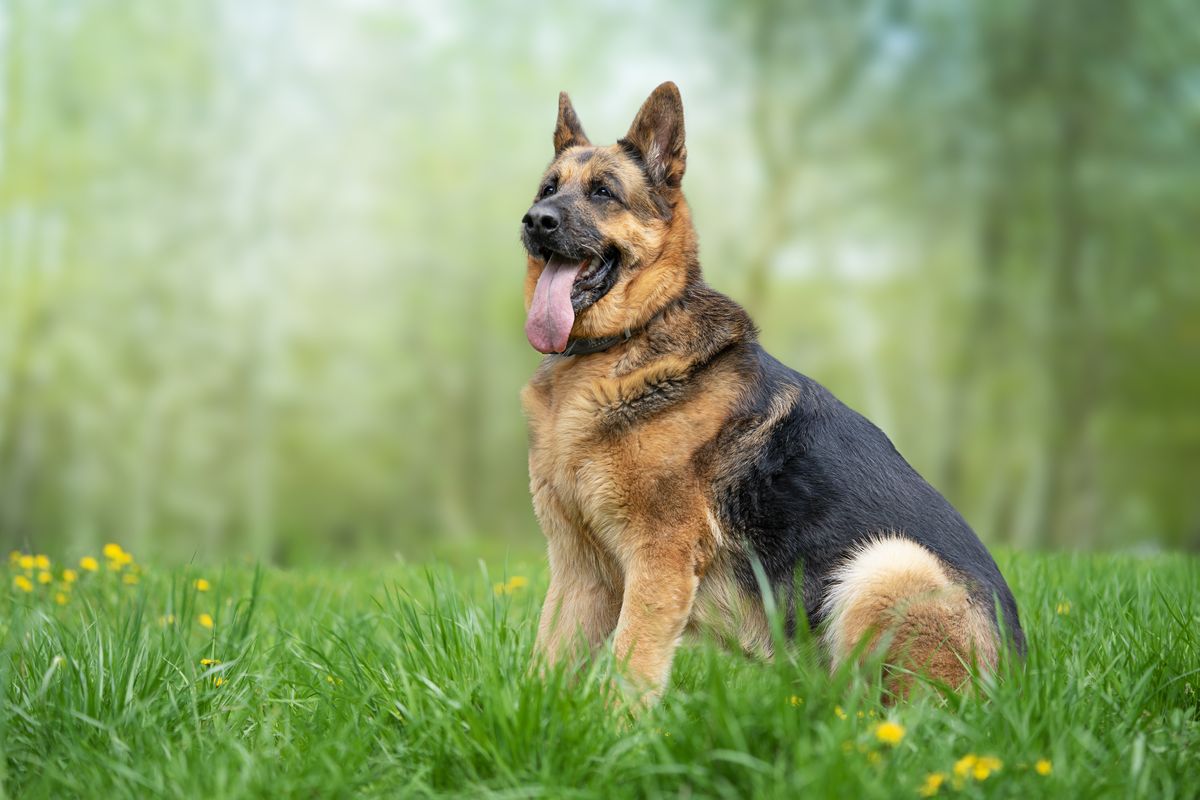
328 PSI bite force: One of the highest of any breed — stronger than German Shepherd (~238) and Pit Bull (~235). Not trivia — a responsibility reminder.
Nearly killed by trains: When railroads replaced cattle drives, Rottweilers lost their purpose. WWI police demand resurrected the breed from near-extinction.
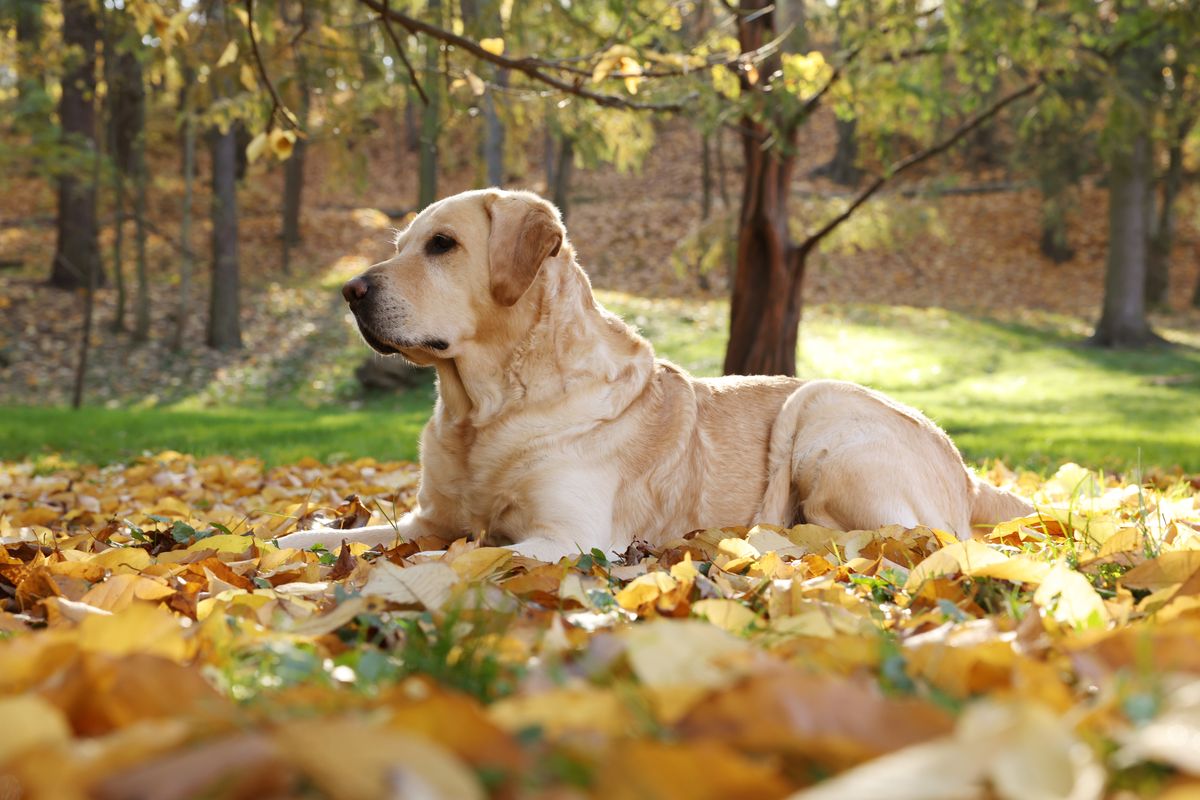
9/11 search-and-rescue: Rottweilers served as SAR dogs at Ground Zero alongside Shepherds and Labradors. Their strength and calm made them invaluable.
💬 Comments & Questions
Have a Rottweiler? Share your experience, tips, or questions below!
Comments are temporarily unavailable.
We're setting up our commenting system. Check back soon!