
Labrador Retriever
The world's most versatile dog — #1 AKC for 30+ consecutive years and still the #1 guide dog, detection dog, and search-and-rescue breed on Earth. The St. John's Water Dog legacy, the POMC gene making 25% biologically hungrier, and the B & E genes allowing one litter to produce all three colors. Discover everything in our complete breed guide.
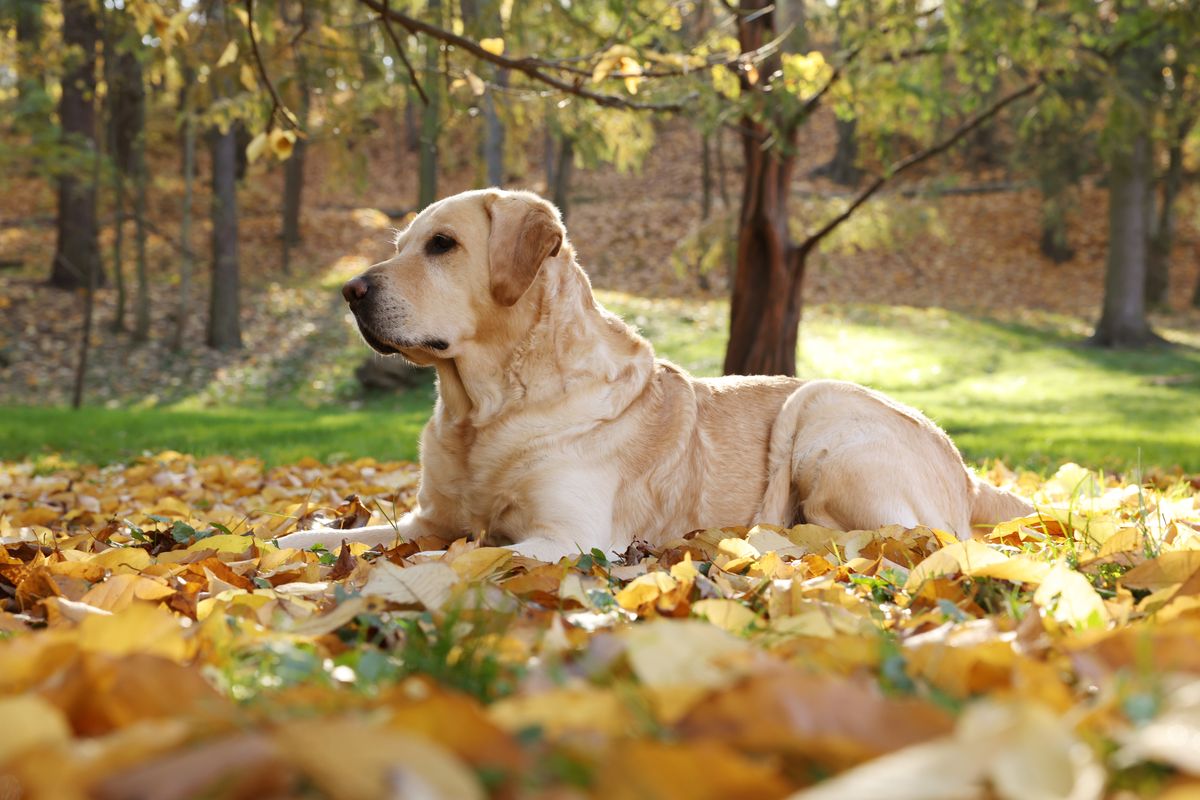
Breed Overview
Quick facts at a glance — size, lifespan & key traits
Temperament & Training
🎯 Decision Guides for Labrador Retriever Owners
Labradors are famously food-motivated — which makes training easy but also makes treat-dependency more likely. These three Decision Guides help you identify exactly which pattern is driving the behavior — and what to do about it.
Personality traits rated on a 1–10 scale
📖 About the Labrador — The St. John's Water Dog
The Labrador Retriever did not originate in Labrador. Its story begins in Newfoundland, Canada in the 1500s-1600s, where European fishermen — Spanish, Portuguese, French, and English — brought their working dogs to the island. Over generations, these dogs interbred to create a distinct landrace: the St. John's Water Dog (also called the Lesser Newfoundland). These medium-sized, black-coated dogs helped fishermen haul nets, retrieve fish that escaped hooks, pull carts of catch to market, and even retrieve hats blown off their owners' heads in the icy North Atlantic.
From Newfoundland to British Estates
In the early 1800s, the 2nd Earl of Malmesbury saw these dogs working in Poole Harbour, England, and was so impressed that he imported several to his estate. His son, the 3rd Earl, continued the breeding program. A chance meeting in the 1880s between the 3rd Earl and the 6th Duke of Buccleuch led to a collaboration using two dogs named Ned and Avon — these two are the foundation of every modern Labrador Retriever. The breed was recognized by The Kennel Club in 1903 and the AKC in 1917. Back in Newfoundland, the St. John's Water Dog was driven to extinction by the 1980s — killed off by a government sheep-protection tax that penalized dog ownership and the British Quarantine Act of 1895 that stopped further imports. The last two St. John's Water Dogs died of old age in Grand Bruit, Newfoundland.
The World's Most Versatile Dog
The Labrador held the #1 AKC spot from 1991 to 2021 — 30+ consecutive years — an unprecedented reign in American kennel club history before the French Bulldog overtook them. Today Labs remain the #1 breed worldwide for guide dogs (~70% of all guide dogs are Labs or Lab crosses), detection work (explosives, narcotics, medical alert), search-and-rescue, therapy visits, and service dog programs. No other breed comes close to this versatility.
💛 Personality & Temperament
Labradors are the world's most enthusiastic dogs — they approach every person, situation, and meal with unrestrained joy. Their famous tail functions as a powerful rudder in water and a hazardous sweeping device on land that clears coffee tables with devastating efficiency.
Key Personality Traits
- Eager to please: Labs live to work with their humans. Ranked #7 most intelligent breed (Stanley Coren), they're exceptionally biddable and trainable with positive reinforcement.
- Wonderful with children: Their patient, tolerant, goofy nature makes them one of the best family dogs on Earth. They tolerate rough handling and chaotic households with grace.
- Food-obsessed — biologically: Cambridge University discovered that ~25% of Labradors carry a POMC gene mutation that prevents their brain from registering "full." These dogs are biologically hungrier than normal dogs. This is not "greed" — it's genetics.
- NOT guard dogs: Labs love everyone. A burglar will get a wagging tail and a guided tour of the valuables.
- Social and pack-oriented: Bred to work closely with fishermen and hunters, Labs hate being alone. They can develop separation anxiety and destructive behaviors if left isolated for long periods.
- Eternal puppies: Labs stay playful and puppy-like well into old age — a 10-year-old Lab will still bring you a tennis ball with the same enthusiasm as a 10-week-old puppy.
🔍 English (Show) vs American (Field) Labradors
One of the most important distinctions for potential Lab owners: not all Labradors are the same. Two distinct types have emerged, and choosing the wrong one for your lifestyle is a common mistake.
| Feature | English (Show/Bench) | American (Field/Working) |
|---|---|---|
| Build | Stocky, heavier-boned, broader head, thicker neck, shorter legs | Leaner, lighter-framed, narrower head, longer legs, more athletic |
| Energy | Moderate — calmer, settles more easily | HIGH — bred to hunt all day, needs intense exercise |
| Temperament | Laid-back, mellow, "couch potato" potential | Intense, driven, needs a job — like a Malinois in a Lab body |
| Best For | Families, first-time owners, therapy work | Hunters, field trials, active sport homes, detection work |
| Tail | Thick "otter tail" — show standard | Thinner, sometimes carried higher when working |
⚠️ EIC — Exercise-Induced Collapse (DNM1 Gene Mutation)
⚕️ Health & Wellness — The Complete Panel
Labradors are a generally healthy breed but carry multiple inherited conditions that responsible owners must screen for. The complete genetic panel for breeding Labs includes:
Genetic Diseases (DNA Tests Available)
- EIC (DNM1 gene): Exercise-Induced Collapse — see detailed section above. ~30% carrier rate.
- CNM — Centronuclear Myopathy (PTPLA gene): Causes muscle weakness from puppyhood — affected puppies have a stilted gait, difficulty holding their head up, and progressive muscle wasting. DNA test available.
- PRA — Progressive Retinal Atrophy (prcd-PRA): Causes progressive blindness starting around age 3–5. DNA test available. All breeding Labs must be screened.
- POMC gene mutation: ~25% of Labs carry a deletion in the pro-opiomelanocortin gene — it disrupts the brain's ability to sense satiety. Carriers are biologically hungrier and have higher body fat percentage even on the same diet as non-carriers.
Structural & Acquired Conditions
- Hip Dysplasia: Affects ~12% of Labradors (OFA data). OFA or PennHIP screening mandatory for all breeding dogs.
- Elbow Dysplasia: Affects ~10% of Labradors. Causes front-leg lameness, often appearing before age 2.
- Bloat (GDV): Deep-chested breed — feed 2+ small meals, no exercise 1 hour before/after eating. Prophylactic gastropexy recommended during spay/neuter.
- Laryngeal Paralysis: Common in senior Labradors (9+ years) — the larynx doesn't open fully, causing noisy breathing, exercise intolerance, and heat sensitivity. Surgical correction available.
- Allergies (Atopic Dermatitis): Chronic skin itching, paw licking, recurrent ear infections — often environmental or food-related. Above-average rate in Labs.
- Cataracts & Progressive Retinal Atrophy (PRA): Annual ophthalmologist exams recommended for breeding dogs.
- Hypothyroidism: Weight gain, hair loss, lethargy — managed with daily medication. Annual blood work from age 5.
- Obesity: The #1 preventable health crisis. Studies show ~60% of Labradors are overweight or obese — driven by the POMC gene mutation combined with their legendary food motivation. This is not a cosmetic issue — obesity reduces lifespan by 2–3 years and worsens every other health condition on this list.
🏃 Exercise & Activity
Labradors are high-energy working dogs bred to retrieve all day in rough terrain and freezing water. A Lab without adequate exercise becomes destructive, anxious, hyperactive, and obese.
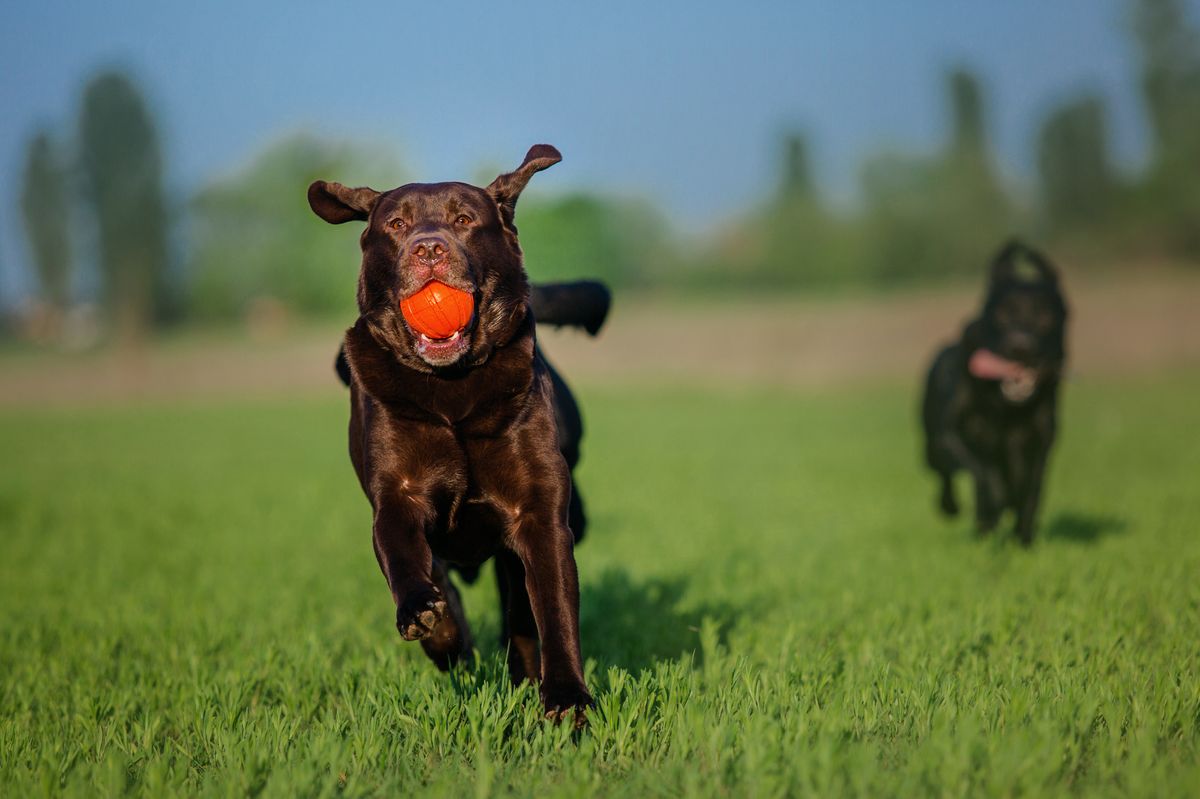
- Minimum 60–90 minutes of vigorous exercise daily: Off-leash running, swimming (their natural element — low-impact on joints, maximum energy burn), fetch, hiking, dock diving, or field work.
- Mental stimulation is equally critical: Puzzle toys, scent work (hide treats around the house/yard), retrieving drills, obedience training — a Lab's brain needs exercise as much as their body.
- English (show) Labs: 45–60 minutes may suffice. American (field) Labs: 90–120+ minutes daily — these are canine athletes, not couch companions.
- NOT an apartment dog without extraordinary commitment. They need a securely fenced yard and active, engaged owners who view daily exercise as non-negotiable.
✂️ Grooming & Maintenance
The Labrador's dense, water-resistant double coat is deceptively high-maintenance: it's short and seems low-effort, but it sheds constantly, year-round, heavily.
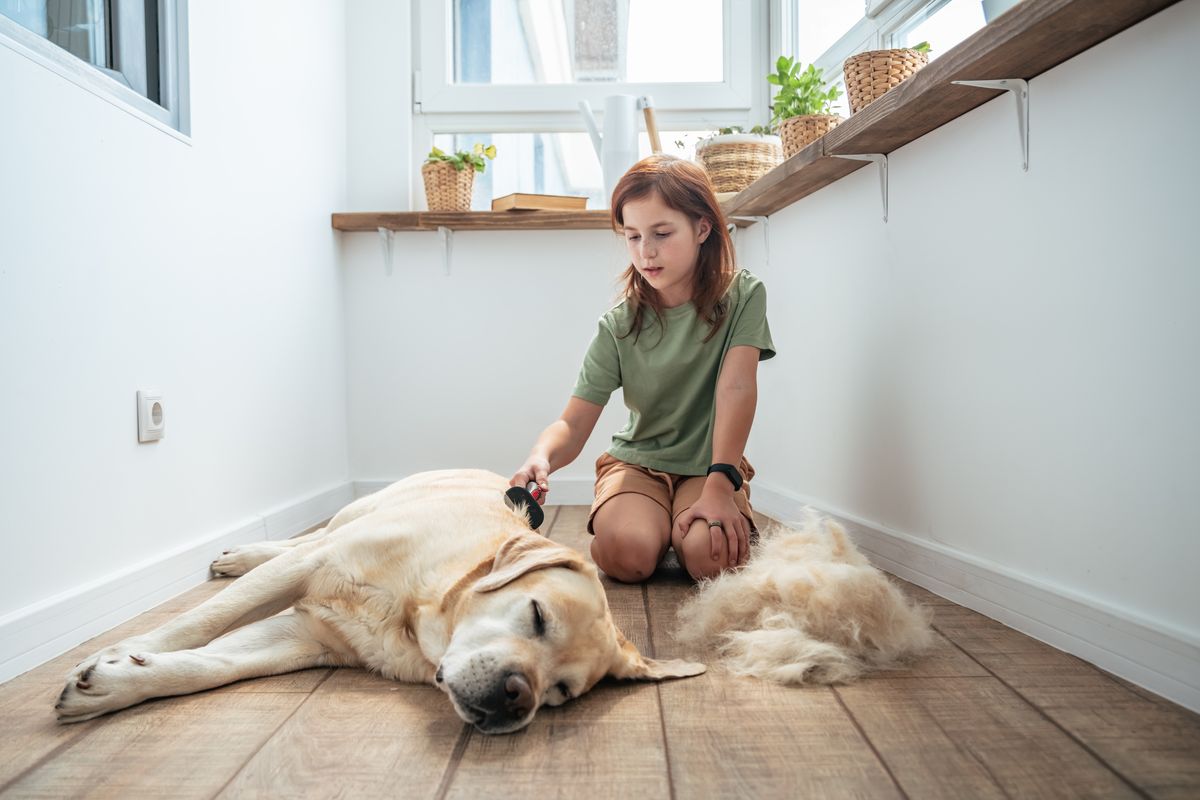
- Weekly brushing with a rubber curry brush or deshedding tool. During spring and fall shedding seasons: daily brushing — their short, dense hairs weave into fabric like needles.
- ⚠️ The Lab coat is oily and water-repellent — this is functional (it protects them in icy water), but it means they have a distinct "doggy odor" that some owners find noticeable. Regular bathing helps manage this.
- Bathing every 4–8 weeks with dog-specific shampoo. Labs love water and tolerate baths well — but don't over-bathe, as stripping the coat's natural oils reduces its water-repellent properties.
- Ear checks weekly — CRITICAL: Floppy drop ears + love of swimming = chronic ear infection risk. Clean with veterinary-approved solution after every swim, not just weekly. Signs of infection: foul odor, redness, head shaking, dark discharge.
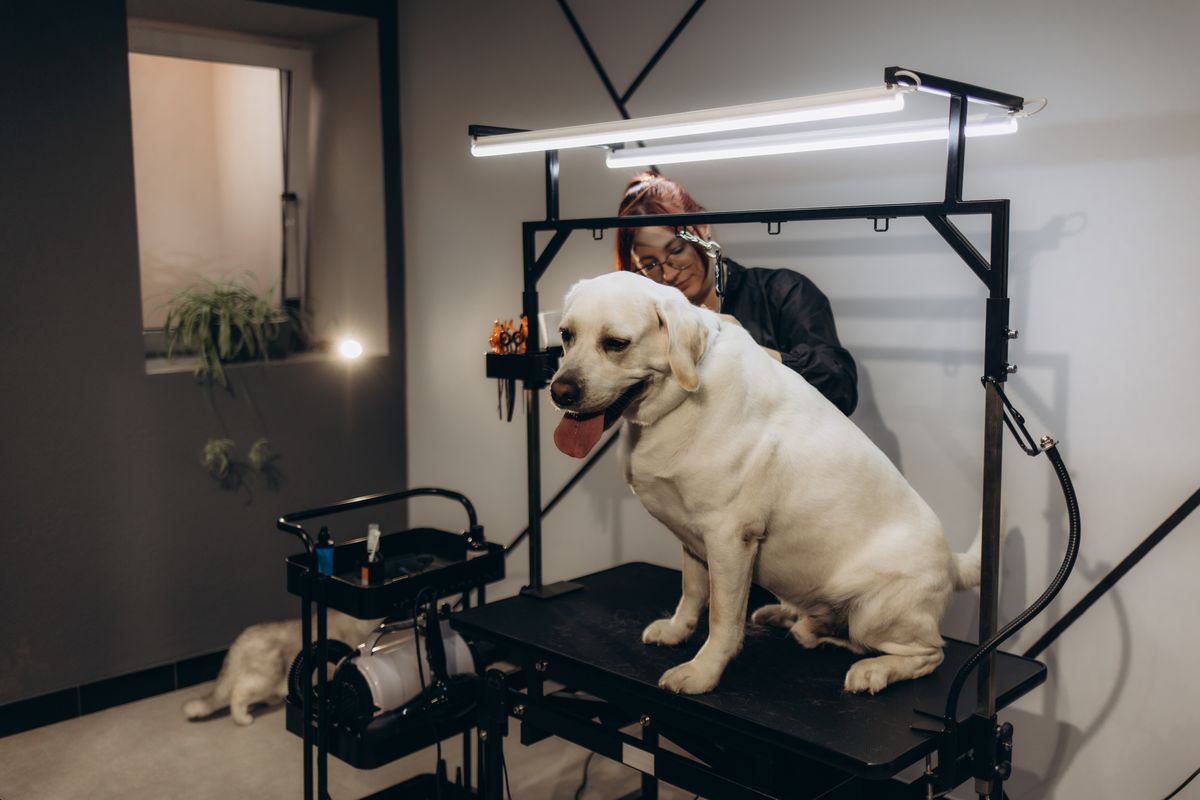
- Nail trims every 2–3 weeks. Active Labs on pavement wear claws naturally; indoor dogs need more frequent attention.
- Dental hygiene: Brush teeth 2–3× per week. Annual professional dental cleanings from age 3.
Care Needs
Daily care requirements & suitability ratings
Brushing
Weekly (daily during shed). Rubber curry brush. Year-round heavy shedding.
MODERATE-HIGHEar Care
Weekly + after EVERY swim. Dry thoroughly. Infection risk is extreme.
CRITICALBathing
Every 4-8 weeks. Don't over-bathe — coat needs natural oils for water resistance.
REGULARNails
Every 2-3 weeks. Active dogs wear claws naturally on pavement.
EASYDental
Brush 2-3× weekly. Annual professional cleaning from age 3.
IMPORTANTShedding
Year-round, heavy. Invest in a good vacuum and lint rollers.
CONSTANT🍽️ Feeding — The POMC Gene & Obesity Battle
Labradors are the breed most affected by canine obesity, and the reason is partly genetic, not just behavioral. Cambridge University researchers discovered that ~25% of Labradors carry a POMC gene deletion — this mutation disrupts the brain's ability to detect satiety. Affected dogs are biologically hungrier than normal dogs. They don't feel full after eating. Combined with the breed's natural food motivation and enthusiastic eating style, this creates a perfect storm for obesity.
Daily Feeding Guidelines
- Feed 2 measured meals per day using a kitchen scale, not a scoop. "Eyeballing" portions is the #1 cause of overfeeding.
- Daily caloric needs: 1,200–1,600 kcal for adults. Active/working Labs may need more. Treats must count toward this total — Labs will work enthusiastically for a single piece of kibble or a baby carrot.
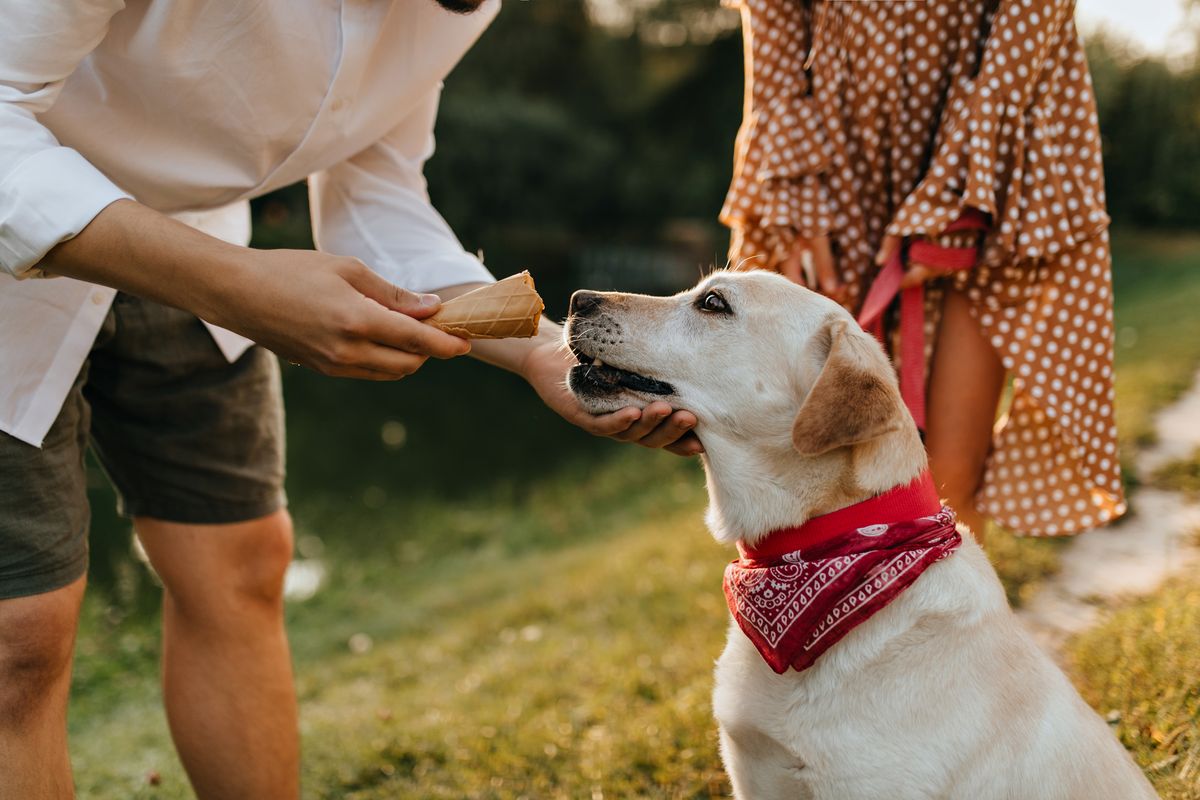
- Low-calorie treats: Baby carrots, green beans, apple slices, cucumber. Never free-feed — a Lab will eat until the bag is empty.
- Slow-feeder bowls or puzzle feeders are recommended — Labs gulp food, which increases bloat (GDV) risk.
- Large-breed puppy food for puppies — controlled calcium/phosphorus levels support proper joint development and reduce hip dysplasia risk.
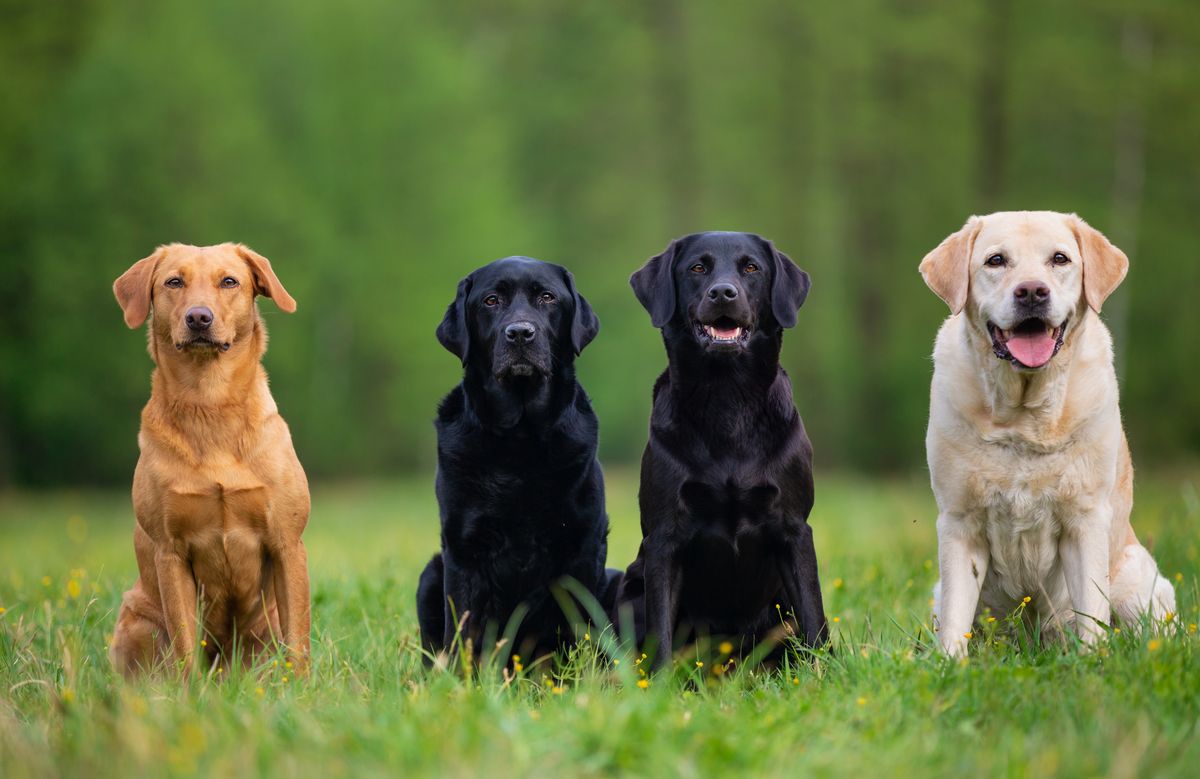
Color Genetics — The B & E Genes
Three recognized colors per the KC Standard — fascinating genetics behind them
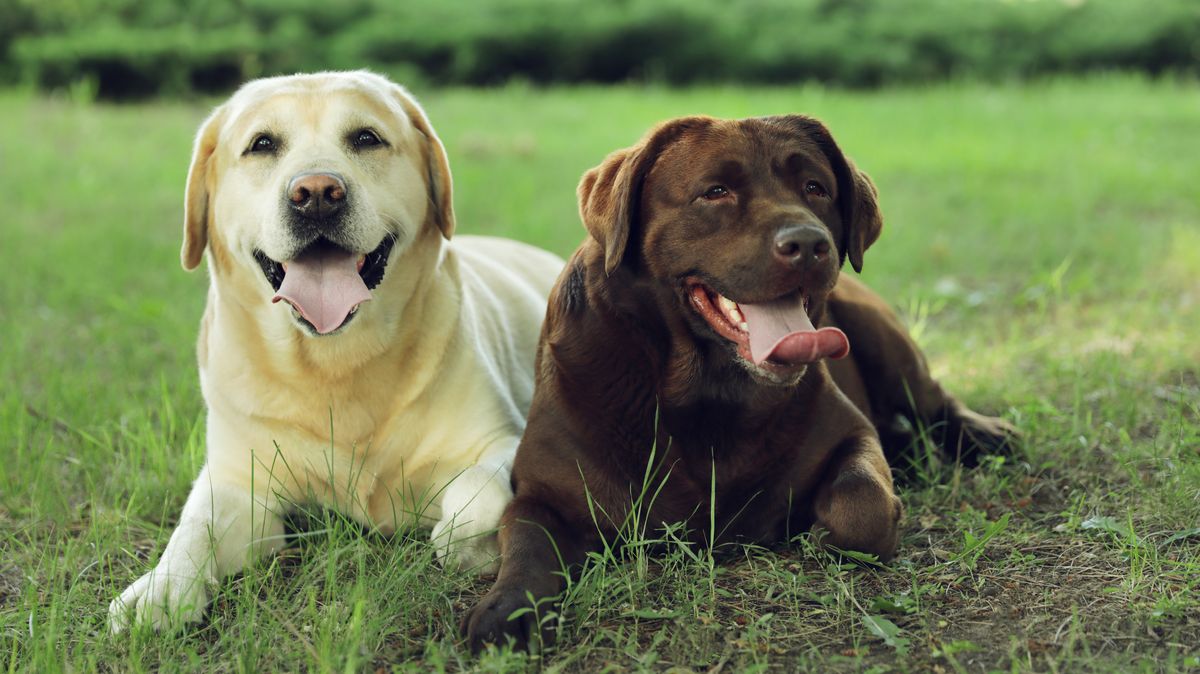
Labradors come in exactly three recognized colors per the KC Standard: Black, Yellow, and Chocolate/Liver. Two genes control this: the B gene (brown) determines whether black pigment can be produced, and the E gene (extension) determines whether dark pigment is expressed at all. A single litter can contain all three colors if both parents carry the recessive genes. The first yellow Labrador was "Ben of Hyde," born in 1899.
Cost Breakdown
Estimated expenses for owning a Labrador Retriever in 2026 (USD)
| Expense Category | Estimated Cost (USD) |
|---|---|
| 🐶 Puppy (5-panel DNA + OFA parents) | $1,000 – $3,000 |
| 🍖 Annual Food (large breed, quality) | $600 – $1,100 |
| 🏥 Annual Vet + Genetic Screening | $700 – $1,800 |
| 🧸 Toys, Training, Grooming, Misc | $500 – $1,200 |
| ANNUAL TOTAL | $2,800 – $7,100 |
| LIFETIME (10-14 yrs) | $32,000 – $99,400 |
Ideal Owner Profile
Is the Labrador Retriever the right breed for your home?
🎯 The perfect Lab owner: Active, has water access or loves outdoor adventures, is disciplined about food management (kitchen scale, not scoops), accepts year-round shedding, commits to 5-panel DNA testing + OFA screening, and wants a dog that's equal parts athlete, family member, and eternal optimist with a tail that never stops wagging.

💡 Fun Facts & Trivia
#1 guide dog globally: ~70% of all guide dogs worldwide are Labrador Retrievers or Lab crosses — the gold standard for service work.
POMC gene — biologically hungrier: Cambridge discovered ~25% carry a mutation preventing their brain from registering "full." Lab obesity is partly genetic.
30+ years as #1: The Lab held AKC's #1 spot from 1991 to 2021 — three full decades of dominance. The French Bulldog finally overtook them in 2022.
Webbed paws and otter tail: That thick tail is a powerful swimming rudder. Combined with webbed toes and oily double coat — the best swimming dog breed on Earth.
Ancestor went extinct in the 1980s: The St. John's Water Dog — the Lab's direct ancestor — was driven to extinction by a sheep-protection tax. The last two died in Grand Bruit, Newfoundland.
One litter, three colors: A single litter can contain black, yellow, AND chocolate puppies. The B and E genes make this possible — two black Labs can produce all three colors.
🔗 Share This Guide
Know someone considering a Labrador? Share this complete guide.
📋 Disclaimer
This article is for informational purposes only and is not a substitute for professional veterinary advice, diagnosis, or treatment. Always consult a licensed veterinarian for any concerns about your pet's health.
🐕 Explore More
💬 Comments & Questions
Have a Labrador? Share your experience or ask a question below!
Comments are temporarily unavailable.
We're setting up our commenting system. Check back soon!