
Beagle
The nose with a dog attached — 225 million scent receptors, Snoopy's breed, and the #6 AKC most food-motivated hound on Earth. The Beagle Brigade screens 2M+ passengers at US airports with 90%+ accuracy. Discover everything in our complete breed guide.
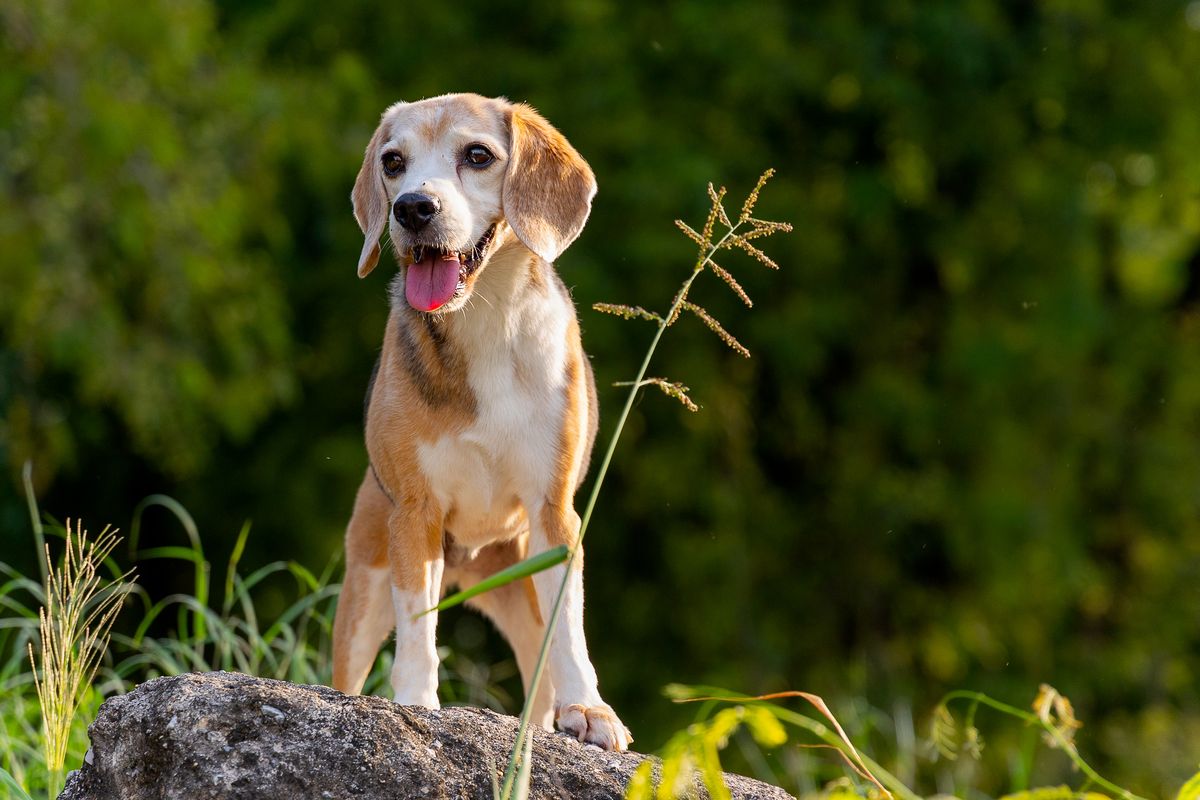
Breed Overview
Quick facts at a glance — size, lifespan & key traits
Temperament & Training
🎯 Decision Guides for Beagle Owners
Beagles follow their noses — it's what they were bred for. When a scent competes with your cue, the scent wins unless you rebuild the value proposition. These three Decision Guides help you identify exactly which pattern is driving the behavior — and what to do about it.
Personality traits rated on a 1–10 scale
📖 About the Beagle — Snoopy's Real-Life Inspiration
The Beagle is one of the oldest scent hound breeds, with roots tracing to ancient Greece and Rome, where small hounds were used to track rabbits and hare on foot. The modern Beagle was developed in England in the 1830s-1840s by crossing the Harrier, Southern Hound, North Country Beagle, and Talbot Hound. The name "Beagle" likely comes from the French word "be'geule" — meaning "wide throat" or "loud mouth" — a reference to their distinctive baying voice.
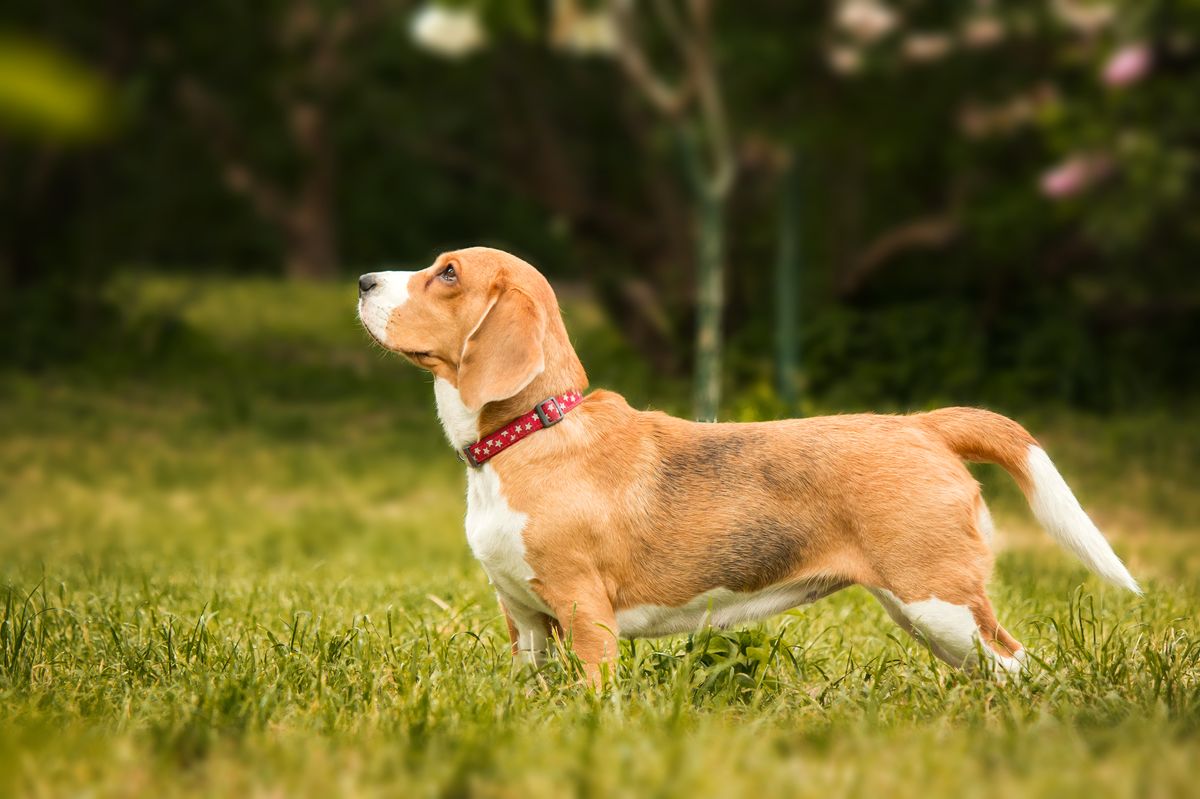
The 225-Million-Scent-Receptor Marvel
The Beagle's sense of smell is one of the most powerful in the animal kingdom — second only to the Bloodhound among dogs. With 225 million scent receptors (humans: 5 million), Beagles can detect a single particle of scent among billions. Their long, floppy ears sweep scent toward their nose, and their low-to-ground build keeps them close to scent trails. This is why Beagles are the #1 breed used by US Customs and Border Protection — the Beagle Brigade screens 2+ million passengers annually at US airports, detecting contraband food, plants, and animal products with 90%+ accuracy. Charles Schulz's Snoopy — the world's most famous Beagle — debuted in Peanuts in 1950 and became a global icon.
Presidential Beagles — From the White House to Graceland
President Lyndon B. Johnson owned three registered Beagles during his White House years (1963-1969): "Him," "Her," and "Freckles." LBJ was famously photographed lifting Him by the ears — a photo that sparked national outrage from dog lovers and forced the President to publicly apologize. Elvis Presley owned a Beagle named Sherlock Holmes at Graceland — the King of Rock and Roll was a devoted Beagle person.
The Pocket Beagle — Elizabethan Royalty's "Singing Beagle"
In Elizabethan England (1500s-1600s), Queen Elizabeth I owned "Pocket Beagles" — miniature Beagles under 9 inches (23 cm) tall that could literally fit in a saddlebag or a pocket during hunts. These dogs were bred as hunting companions for horseback — too small to keep up on foot, they were carried to the hunt and released to track hares through thick underbrush inaccessible to larger hounds. They earned the nickname "Singing Beagles" for their distinctive, musical baying voices. Queen Elizabeth I called them "my singing dogs" and kept dozens at court. Today's "Pocket Beagle" is a modern recreation — typically Beagles under 13 inches and 15-20 lbs, bred from the smallest standard Beagles. ⚠️ IMPORTANT: The Pocket Beagle is NOT recognized by the AKC or any major kennel club — it's a marketing term, not a separate breed. As with "teacup" dogs, deliberately breeding for extreme smallness carries health risks including fragile bones, hypoglycemia, and shortened lifespan. A standard Beagle under 13 inches is simply a small standard Beagle — not a "Pocket Beagle."
💛 Personality & Temperament
The Beagle is a pack hound through and through — bred for centuries to live, work, and hunt in close-knit groups. This defines everything about their personality: they're social to their core, hate being alone, and follow their nose with an iron will that overrides all training.
Key Personality Traits
- Merry, curious, and endlessly optimistic: Beagles approach life with unshakeable cheerfulness. Every walk is an adventure, every stranger is a potential friend, every scent is a mystery to solve.
- Food-obsessed beyond reason: A Beagle's stomach overrides their brain — they'll raid cabinets, open refrigerators, counter-surf with acrobatic skill, and eat themselves to death if given unlimited food. This is not "greed" — it's instinct from hunting days when food was unpredictable.
- The nose wins. Always.: When a Beagle catches a scent, their ears turn off. Literally — research shows the auditory processing centers in a scent hound's brain actually suppress during scent tracking. Calling a Beagle on a scent trail is like shouting at someone wearing noise-canceling headphones.
- Pack animals — NOT solo dogs: Beagles need companionship. A Beagle left alone for long hours will bay, howl, destroy furniture, and potentially develop separation anxiety so severe it requires medication.
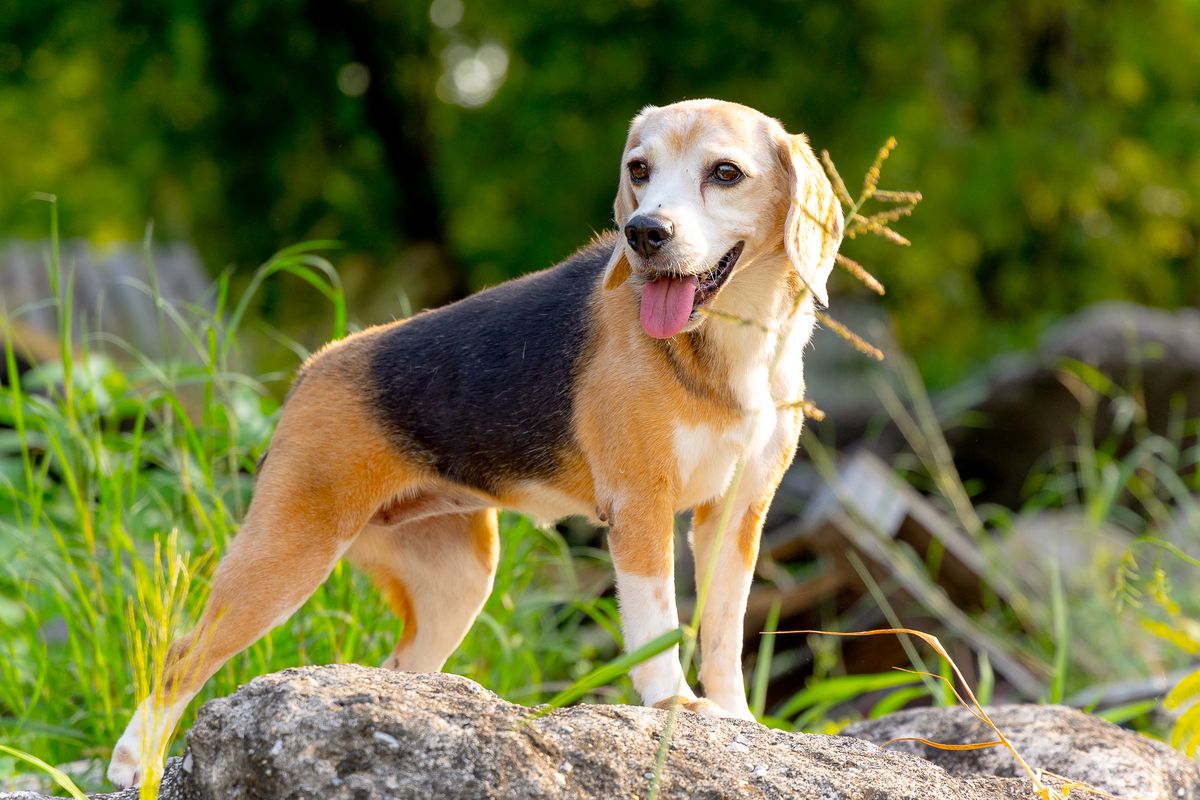
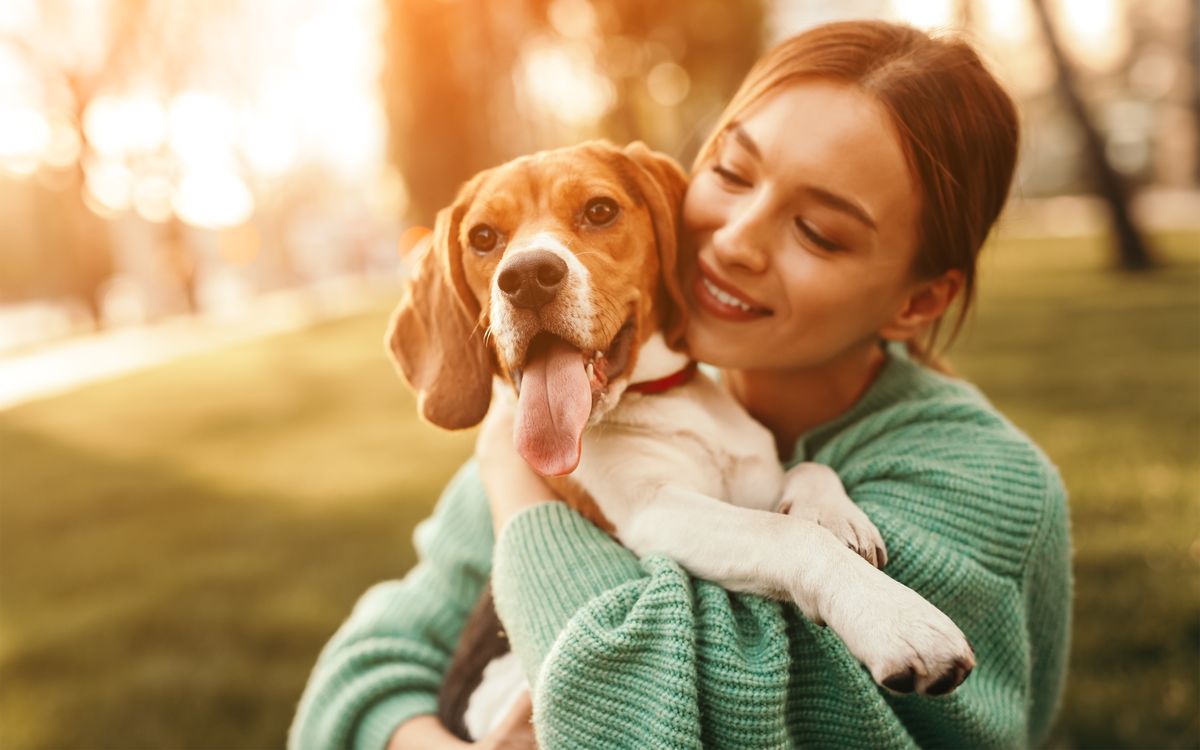
👃 The Beagle Nose — 225M Scent Receptors
The Beagle's nose is one of the most sophisticated detection instruments on Earth. USDA Beagle Brigade dogs train for just 8-12 weeks before achieving 90%+ accuracy detecting 50+ different contraband scents. A Beagle can distinguish individual components within complex scent mixtures — like identifying a specific spice within a fully cooked meal — and follow a 24-hour-old scent trail with unwavering accuracy. Their floppy ears are NOT cosmetic — the long, low-set ears physically sweep scent particles from the ground toward the nose as they track. This design is so effective that every scent hound breed — Bloodhound, Basset, Foxhound — shares this anatomical feature.
⚠️ Separation Anxiety — The Pack Hound's Crisis
⚕️ Health & Wellness
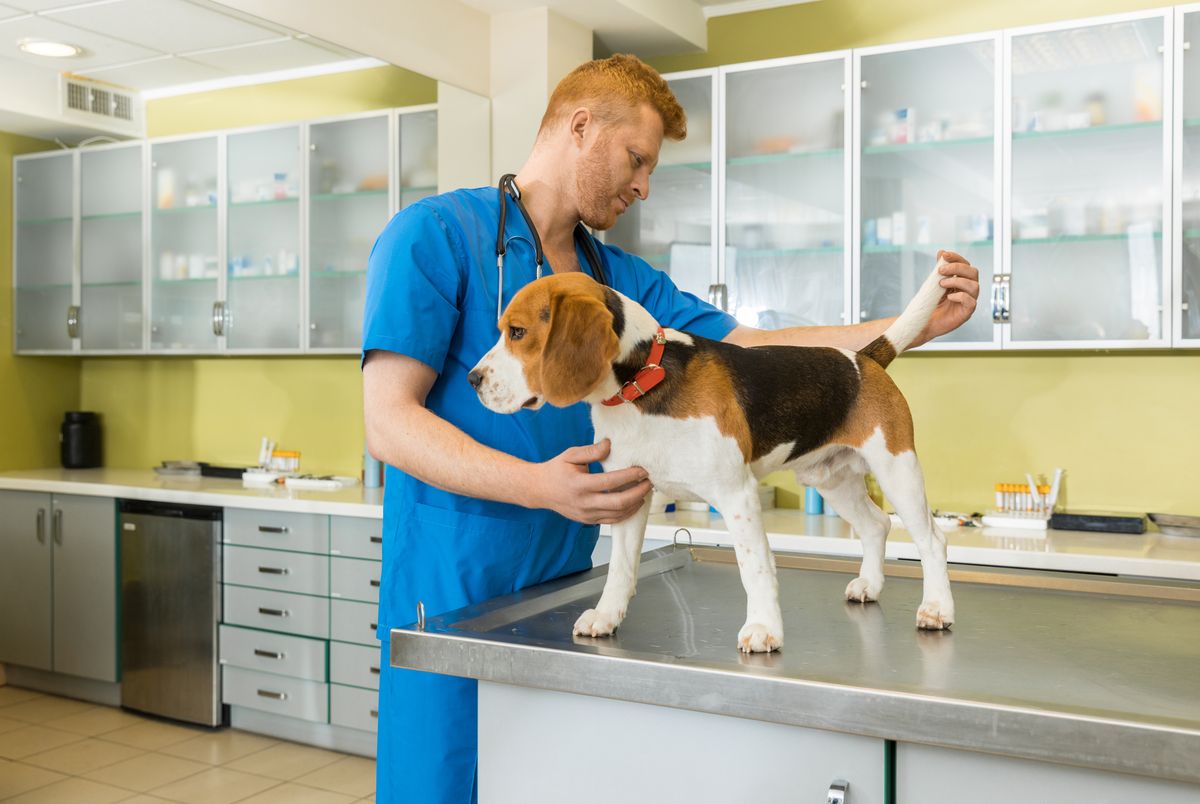
- Idiopathic Epilepsy: Beagles are the #1 breed most commonly affected by epilepsy. Seizures typically begin at 1-3 years old and require lifelong anticonvulsant medication. The cause is genetic and not fully understood.
- Hypothyroidism: Extremely common in Beagles. Annual thyroid screening from age 3.
- Cherry Eye: Prolapsed gland of the third eyelid — common in the breed. Surgical correction required.
- IVDD (Intervertebral Disc Disease): Their long back relative to short legs predisposes them to disc issues. No jumping from furniture — use dog stairs/ramps.
- Ear Infections: Floppy ears = trapped moisture. Weekly cleaning mandatory.
- Obesity: The #1 preventable health crisis. Beagles will eat until their stomach ruptures — portion control is not optional, it's survival.
🏃 Exercise & Activity
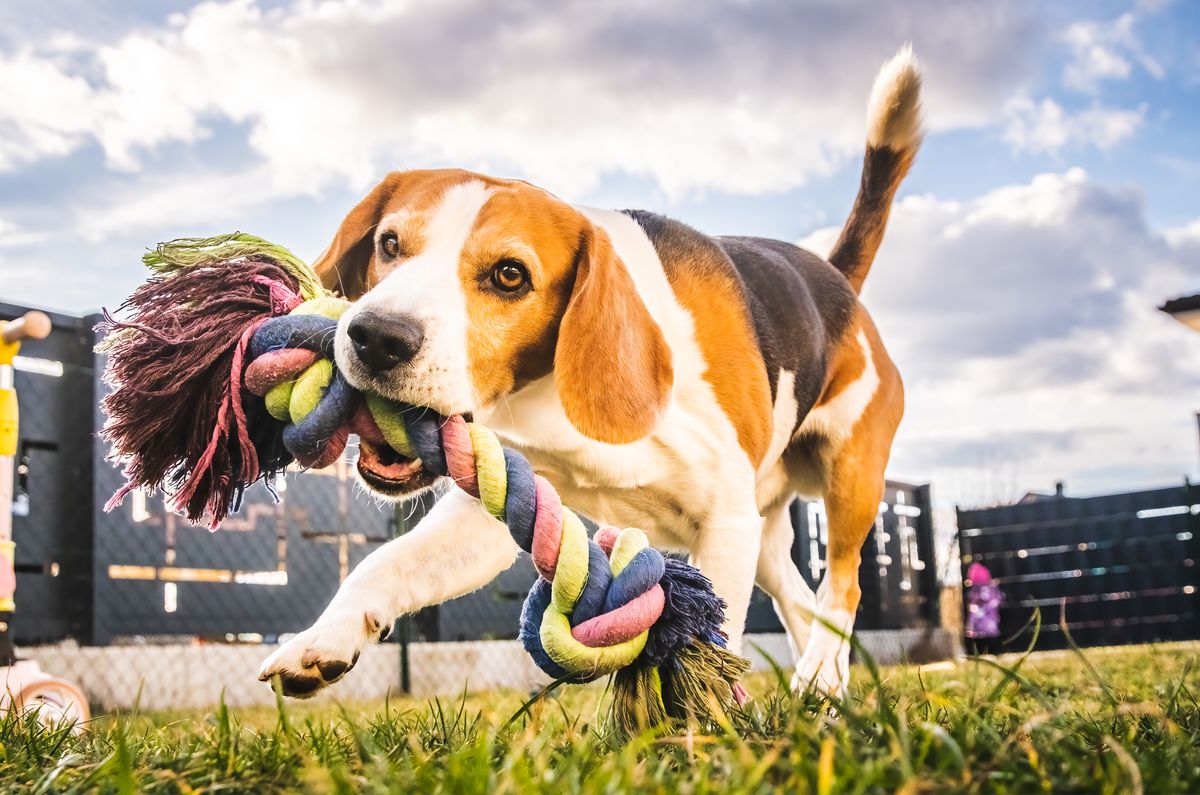
- Minimum 1 hour daily: Walks, play, structured scent games (hide treats, scent trails).
- Scent work is NOT optional: A Beagle without scent-based enrichment is a bored, destructive, baying machine. Snuffle mats, scent trails, hide-and-seek with treats — 15 minutes tires them more than a 45-minute walk.
- ALWAYS on leash or in a securely fenced yard: A Beagle on a scent trail will NOT recall. Period. Fence must be buried 6+ inches underground — Beagles dig under fences.
✂️ Grooming & Maintenance
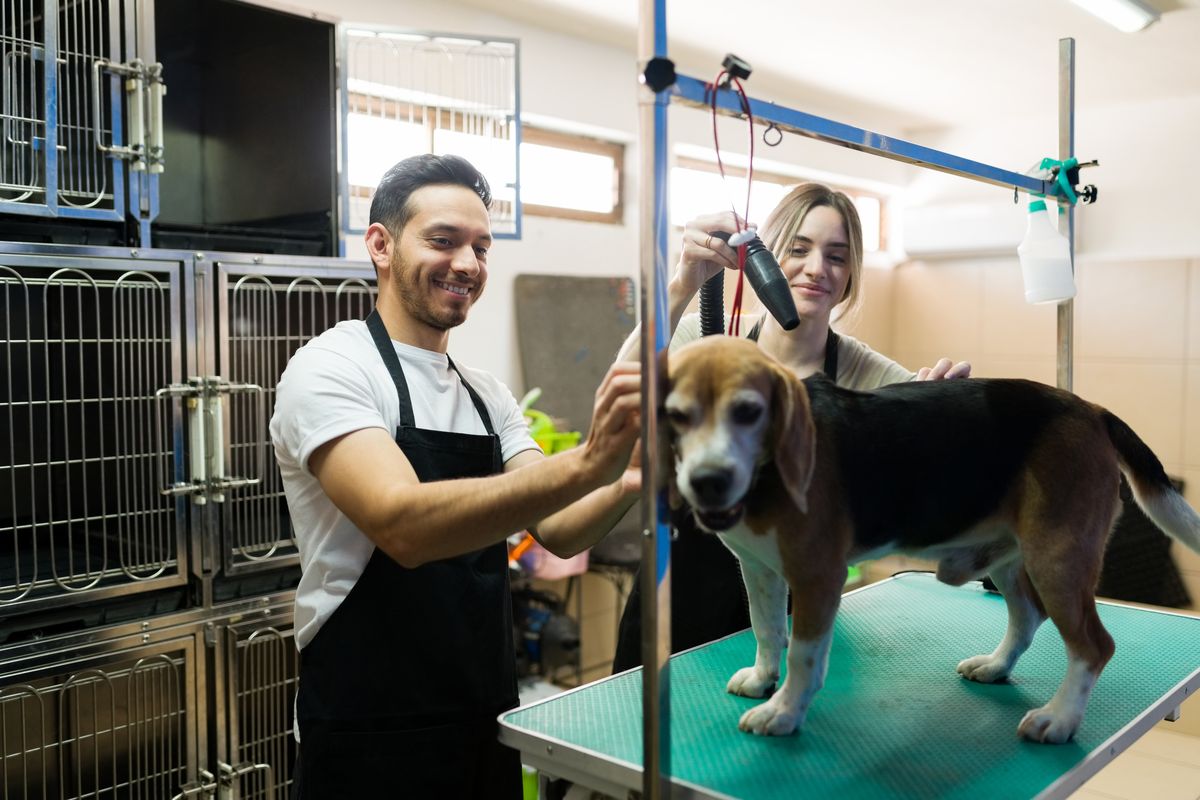
- Weekly brushing with rubber curry brush. Heavy seasonal shedding.
- Ear cleaning every 3-4 days — CRITICAL: Floppy, low-set ears trap moisture and debris. #1 cause of vet visits in Beagles is ear infections.
- Nail trims every 2 weeks.
- Bathing every 4-6 weeks. Beagles have a natural "hound odor" from oily skin — regular bathing manages this.
Care Needs
Daily care requirements & suitability ratings
Ear Care
Every 3-4 days. Floppy ears = chronic infection risk. Critical.
CRITICALScent Work
DAILY. Snuffle mats, scent trails, hide treats. Non-negotiable.
NON-NEGOTIABLEFood Security
LOCK EVERYTHING. Cabinets, fridge, trash. They WILL find it.
EXTREME VIGILANCEShedding
Moderate-heavy. Weekly brushing. Seasonal coat blows.
MODERATEVocalization
THEY BAY. Loudly. Apartment living = angry neighbors.
VERY LOUDExercise
1h daily. Scent games essential. ALWAYS leashed — recall impossible.
MODERATE🍽️ Feeding — The Food-Obsession Crisis
Beagles are the most food-motivated breed on Earth. They will break into cabinets, raid trash, counter-surf, and eat through drywall to reach food. This is instinct, not misbehavior.
- Feed 2 measured meals/day using a kitchen scale. Never free-feed — they'll eat until dead.
- Daily caloric needs: 700–900 kcal. Treats must count toward this.
- Slow-feeder bowls or puzzle feeders mandatory.
- All food must be in locked containers BEHIND closed doors. A Beagle can open most cabinets.
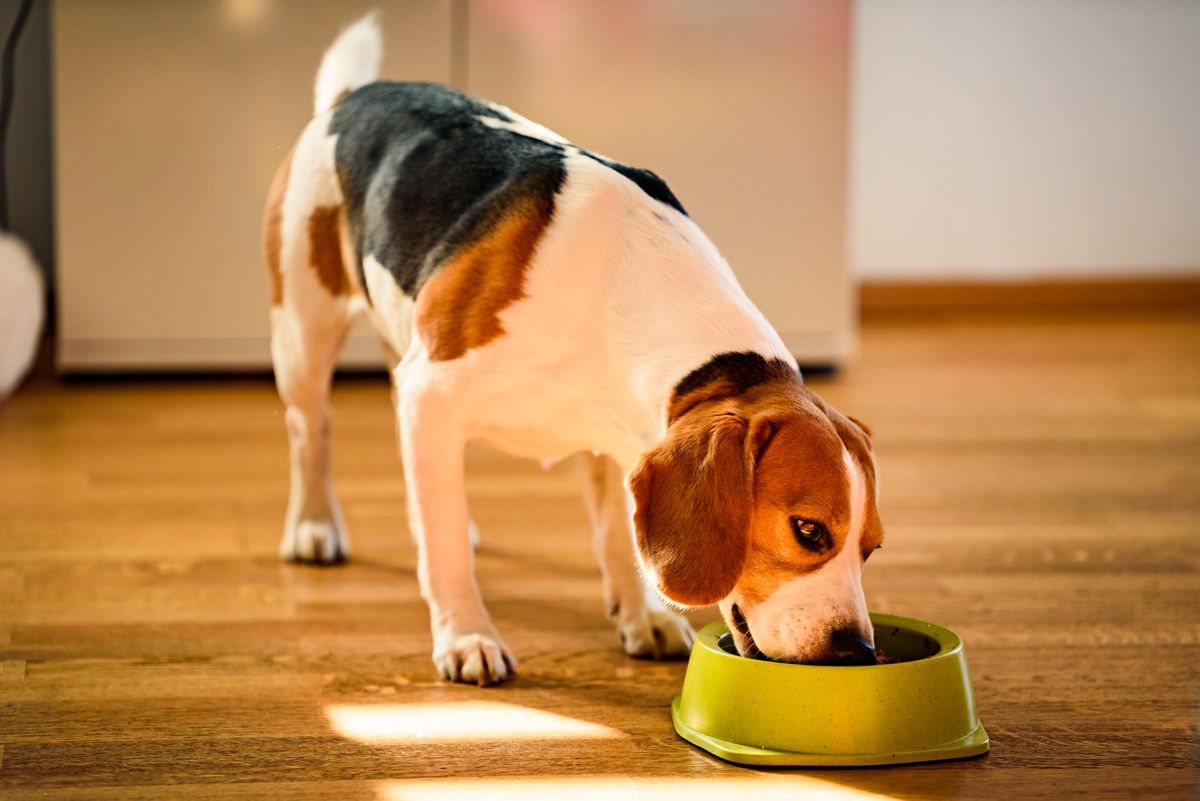
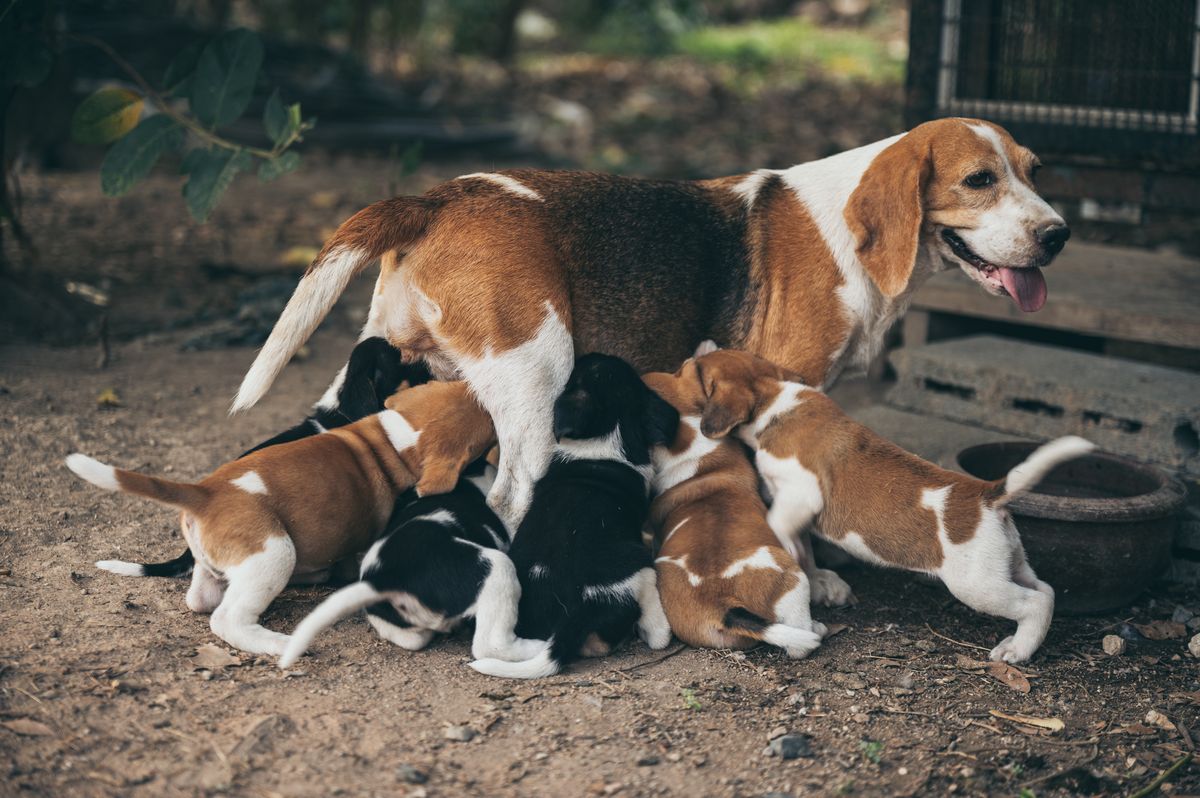
Color Variations
Classic hound tri-color patterns — all AKC accepted
Cost Breakdown
Estimated expenses for owning a Beagle in 2026 (USD)
| Expense Category | Estimated Cost (USD) |
|---|---|
| 🐶 Puppy (health-tested parents) | $800 – $2,000 |
| 🍖 Annual Food (quality, small breed) | $400 – $800 |
| 🏥 Annual Vet + Lab Work | $600 – $1,500 |
| 🔒 Food Security (containers, locks) | $100 – $300 |
| 🧸 Toys, Scent Games, Grooming | $400 – $900 |
| 💵 Annual Total | $2,300 – $5,500 |
| 💵 Lifetime (12–15 yrs) | $30,000 – $75,000 |
👤 Ideal Owner Profile
✅ Great For
- Families with children — patient, playful, and endlessly tolerant
- Homes with another dog — Beagles thrive with canine companionship
- Work-from-home or stay-at-home owners
- Scent work/nose work enthusiasts
- Those who find baying charming — it's going to happen, a lot
⚠️ Not Ideal For
- Apartment dwellers — the baying will get you evicted
- People gone 8+ hours daily — separation anxiety is guaranteed
- Those wanting off-leash reliability — the nose ALWAYS wins
- People who value a quiet, orderly home — Beagles are merry chaos
- Those unwilling to lock up all food — a Beagle WILL find it
🎬 Beagles in Pop Culture — Beyond Snoopy
- Gromit from Wallace and Gromit (Aardman Animations, 1989-present) — the silent, long-suffering, brilliantly expressive Beagle who is arguably the most famous stop-motion dog in history. Gromit has no visible mouth yet conveys more emotion than most human actors. Creator Nick Park chose a Beagle because of their "expressive eyebrows and soulful eyes."
- Odie from Garfield (1978-present) — the lovable, eternally optimistic Beagle who endures Garfield's endless torment. Odie represents the Beagle's goofy, happy-go-lucky nature — not the brightest dog, but the sweetest.
- Underdog (1964-1973) — the cartoon superhero Beagle whose catchphrase "There's no need to fear — Underdog is here!" defined a generation of Saturday morning TV. Underdog was a shoeshine Beagle who transformed into a caped superhero.
- Porthos from Star Trek: Enterprise (2001-2005) — Captain Jonathan Archer's loyal Beagle, the first dog in Starfleet history. Porthos appeared in 40+ episodes and was named after one of the Three Musketeers.
- Buster from The Wonder Years (1988-1993) — the Arnold family's Beagle, appearing throughout the Emmy-winning series.
- Shiloh from the Newbery Medal-winning novel "Shiloh" (1991) by Phyllis Reynolds Naylor — a Beagle who escapes an abusive owner and teaches a young boy about compassion, ethics, and doing the right thing.
- Lou from the film Cats & Dogs (2001) — a Beagle puppy who helps save the world from feline domination.
- Meghan Markle's rescue Beagle, Guy — adopted in 2015, rode with the Queen to her wedding, and became the first rescue dog to officially meet a reigning British monarch on such an occasion.
💡 Fun Facts & Trivia
Snoopy — world's most famous Beagle: Charles Schulz's Snoopy debuted in 1950 and became the most recognized dog character in history. Schulz chose a Beagle because his childhood dog, Spike, was one.
The Beagle Brigade: Since 1984, Beagles have been USDA's primary agricultural detection dogs — screening 2M+ passengers/year with 90%+ accuracy. Their small, friendly size makes them perfect for crowded airports.
225 million scent receptors: Only the Bloodhound has more. Their floppy ears physically sweep scent toward the nose — an anatomical design so effective every scent hound shares it.
The Beagle "bay" is legendary: Three distinct vocalizations: the standard bark, the long bay (hunting call), and the howl. A Beagle's bay can be heard over a mile away — essential for hunters, challenging for neighbors.
Canine lab rats (for good reason): Beagles are the most common breed used in medical research — their friendly, forgiving nature and genetic consistency make them ideal. This has sparked intense animal welfare advocacy.
First Beagle to win Westminster Best in Show: In 2008, Uno (Ch. K-Run's Park Me In First) became the first Beagle in history to win Best in Show at the Westminster Kennel Club Dog Show. The crowd erupted in cheers — Uno's victory was one of the most celebrated moments in Westminster history.
Most tested-on breed — the Beagle Freedom Project: Beagles are the most commonly used dog breed in laboratory research due to their docile temperament and forgiving nature. The Beagle Freedom Project rescues and rehomes former laboratory Beagles — teaching them what grass, toys, and love feel like for the first time.
They can open cabinets: A Beagle's food drive drives problem-solving intelligence — they learn to open cabinets, refrigerators, zippers, and Tupperware. Childproof locks are Beagle-proofing.
💬 Comments & Questions
Have a Beagle? Share your bay-leidoscope moments, tips, or questions below!
Comments are temporarily unavailable.
We're setting up our commenting system. Check back soon!