
Boxer
The eternal puppy of dog breeds — descended from the now-extinct Bullenbeisser that tackled wild boar, bear, and bison in medieval Germany. The #12 AKC breed with a cancer crisis, the Boxer Cardiomyopathy gene, and the legendary kidney bean dance. Discover everything in our complete breed guide.
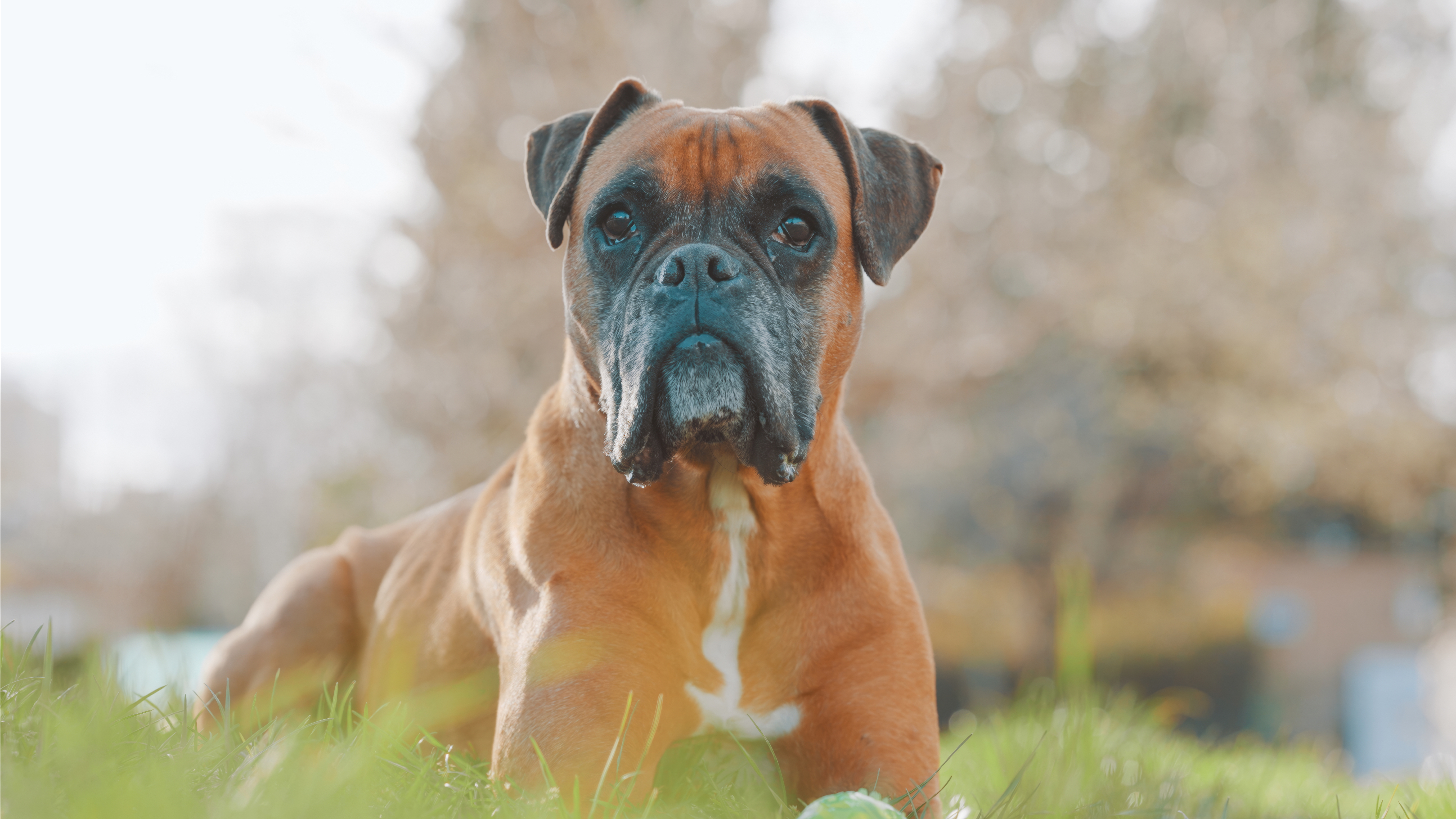
Breed Overview
Quick facts at a glance — size, lifespan & key traits
Temperament & Training
Personality traits rated on a 1–10 scale
📖 About the Boxer — From Bullenbeisser to Beloved Clown
The Boxer descends from the now-extinct Bullenbeisser (German for "bull-biter") — a powerful medieval hunting dog used to tackle and hold down wild boar, bear, and bison until hunters arrived. These were fearless catch dogs — gripping massive, dangerous prey by the nose until subdued, a technique requiring immense courage, a powerful undershot jaw, and a recessed nose that allowed breathing while locked on — exactly the brachycephalic structure modern Boxers inherit today.
From Hunter to Gentleman's Companion
In the late 1800s, German breeders crossed Bullenbeissers with Bulldogs and Mastiffs to create a smaller, more refined dog suitable for family life. The first Boxer was registered in Munich in 1895. The breed name likely comes from their characteristic fighting stance — standing on hind legs and "boxing" with front paws. Boxers served as WWI messenger dogs, pack carriers, and guard dogs. After WWII, returning soldiers brought them to America — and the breed's playful, devoted nature with children made them an instant family favorite.
💛 Personality & Temperament
Boxers are the Peter Pan of dogs — they never grow up. A 10-year-old Boxer greets you with the same wiggly-butt, kidney-bean-dancing enthusiasm as a 10-week-old puppy. They've been called the "clowns of the dog world" for good reason.
Key Personality Traits
- The kidney bean dance: When a Boxer is happy, they bend their body into a C-shape (like a kidney bean) and wag their entire rear end — not just the tail. This is the universal Boxer greeting and one of the most heartwarming things you'll ever see.
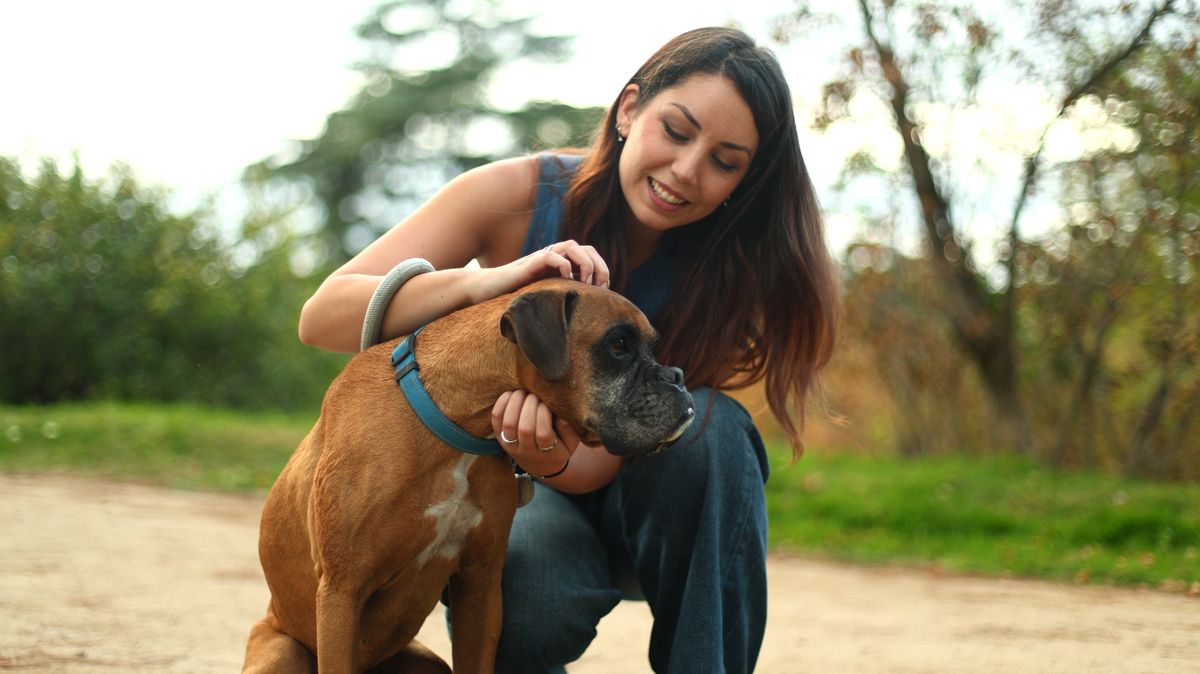
- Extraordinary with children: Boxers have an almost supernatural patience with kids. They'll tolerate ear-pulling, clumsy hugs, and toddler chaos with incredible tolerance — and position themselves between children and perceived threats without aggression.
- Eternal toddlers: Boxers mature slowly — not mentally adult until age 3. A 2-year-old Boxer is a 70-lb puppy with a 70-lb brain still developing. Patience during the "extended puppy phase" is mandatory.
- Velcro dogs, emotionally: They crave physical contact — sitting ON you, leaning against you, following you everywhere. Separation anxiety is common and destructive.
- Stubborn but food-motivated: Boxers have an independent streak — they're not blindly obedient like Labs. Training requires creativity, humor, and high-value food rewards.
⚠️ Cancer — The #1 Killer
⚕️ Health & Wellness
- Boxer Cardiomyopathy (BCM): An inherited arrhythmic heart disease — different from DCM. Causes sudden death in apparently healthy young Boxers (1-5 years). 24-hour Holter monitoring + echocardiogram mandatory for breeding dogs.
- Cancer: See above. Mast cell tumors, lymphoma, hemangiosarcoma most common.
- Brachycephalic Syndrome: Boxers are moderately brachycephalic — they overheat dangerously fast. NEVER exercise in heat/humidity. Watch for breathing distress.
- Hip Dysplasia: ~10% affected. OFA screening mandatory for breeding.
- Bloat (GDV): Deep-chested breed. Prophylactic gastropexy recommended.
- Hypothyroidism + Allergies: Common endocrine/immune issues.
- Corneal Ulcers: Prominent eyes are injury-prone — any squinting or tearing is an emergency.
🏃 Exercise & Activity
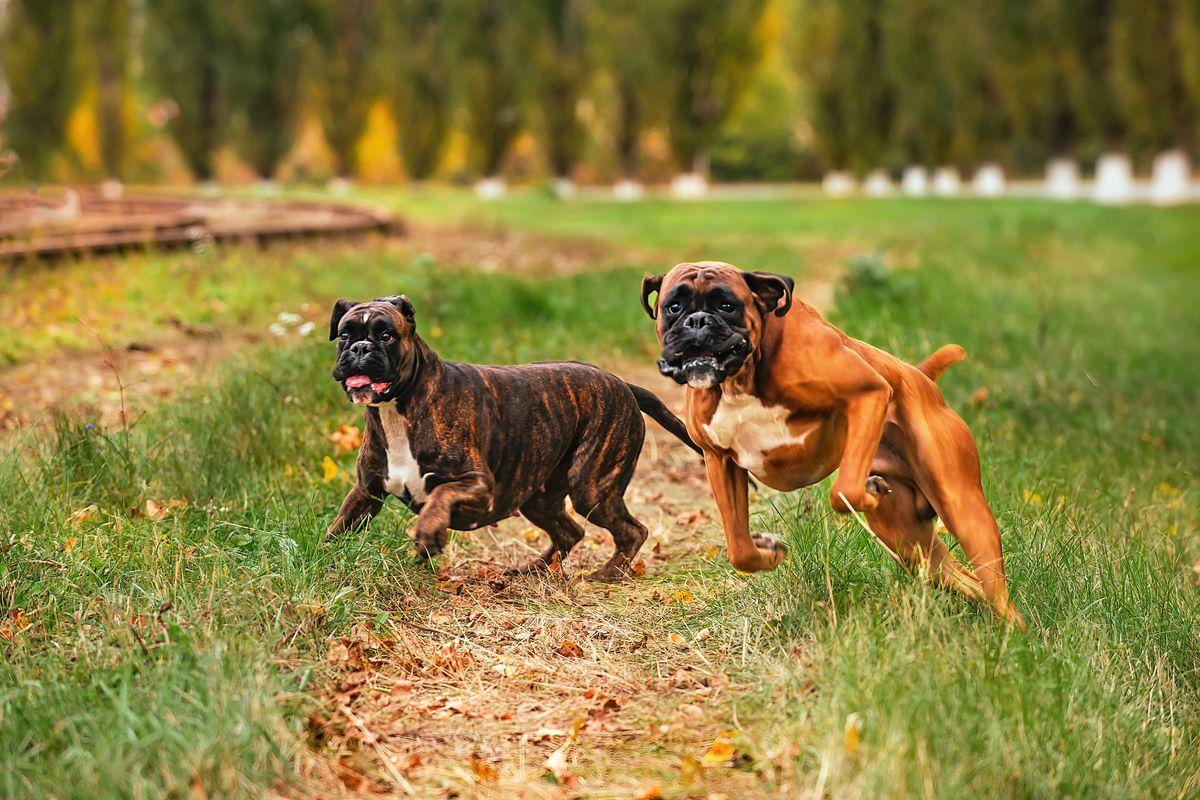
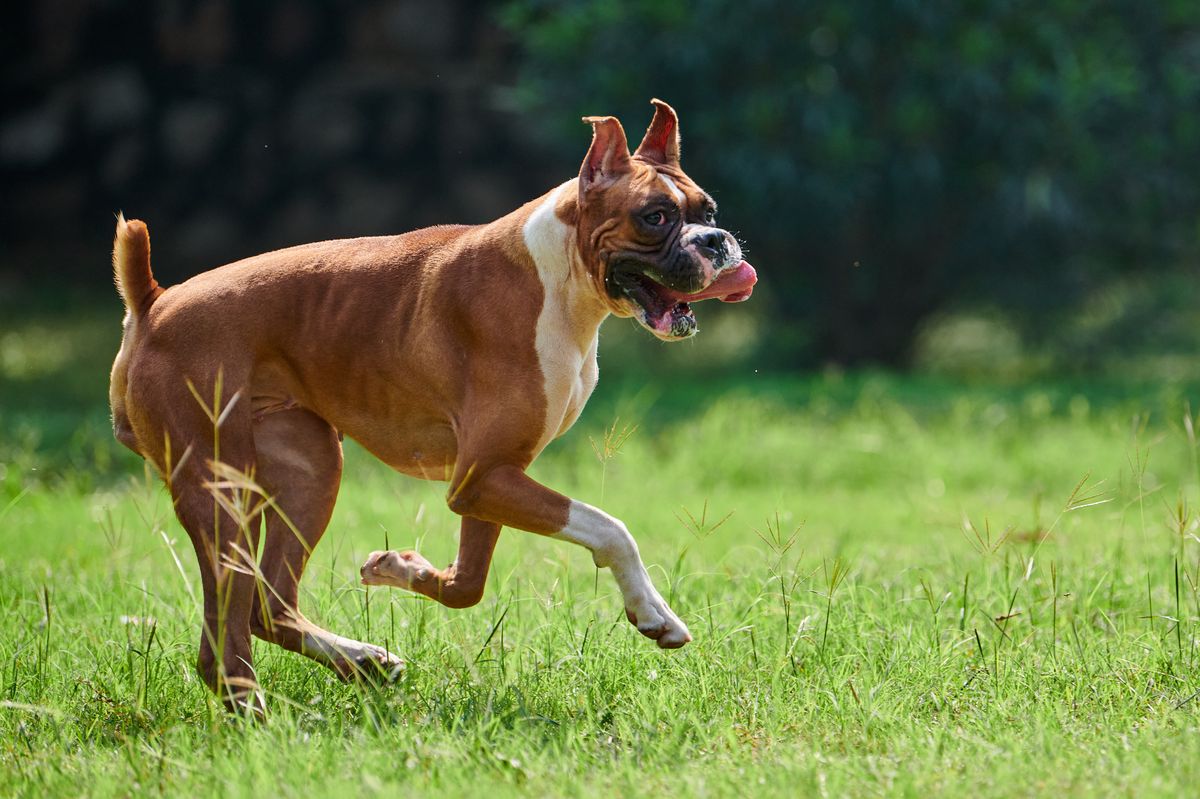
Boxers are high-energy athletes who need daily vigorous exercise — but with brachycephalic precautions.
- 1-2 hours daily: Running, fetch, hiking, swimming (with life vest — dense body mass). NEVER in heat or humidity.
- The Boxer burn helps: Zoomies in a secure yard are excellent energy release.
- Mental work essential: Puzzle toys, scent work, obedience — Boxers get bored easily and invent their own games.
- NOT a marathon runner: Their brachycephalic structure limits endurance in heat. Early morning/late evening exercise only in summer.
✂️ Grooming & Maintenance
Boxers are one of the lowest-maintenance breeds for grooming:
- Weekly rubdown with grooming mitt — removes loose hair and distributes oils for coat shine.
- Minimal shedding.
- ⚠️ Wrinkle care is MANDATORY: Clean facial wrinkles daily with a damp cloth, then dry thoroughly. Trapped moisture = skin fold dermatitis.
- Nail trims every 2 weeks.
- Dental: Brush 2-3× weekly. Boxers are prone to gum disease due to their jaw structure.
Care Needs
Daily care requirements & suitability ratings
Playfulness
Eternal puppy. Expect zoomies, kidney-beaning, and clown antics daily.
MAXIMUM FUNChild Safety
One of the BEST breeds for kids. Patient, protective, and playful.
EXCELLENTGrooming
Weekly rubdown. Clean wrinkles daily. Minimal shedding.
LOW EFFORTHeat Tolerance
BRACHYCEPHALIC — overheats dangerously fast. No summer exercise.
HIGH RISKHealth Vigilance
Weekly lump checks. Cardiac screening. Cancer awareness critical.
NON-NEGOTIABLEExercise
1-2h daily. Never in heat. Zoomies in a secure yard help.
MODERATE-HIGH🍽️ Feeding & Nutrition
- High-quality, high-protein food with named meat source.
- Adult daily caloric needs: 1,500–2,200 kcal.
- Feed 2-3 measured meals/day — never one large meal (bloat).
- No exercise 1h before + 2h after meals.
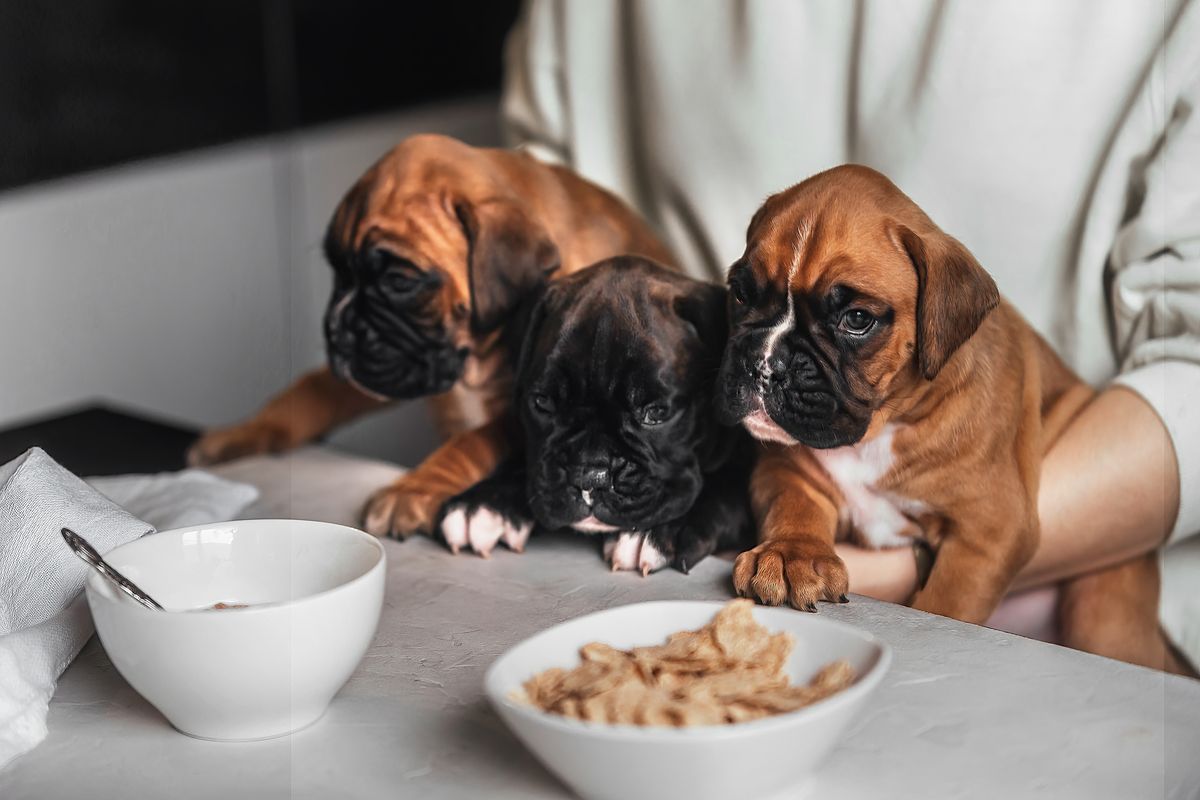
Colors — Fawn, Brindle & White
Two recognized colors + the white Boxer genetics
* ~18% of Boxer puppies are born white — caused by the extreme piebald gene. White Boxers are AKC-disqualified in conformation but make wonderful companions. They have a higher risk of congenital deafness and sun sensitivity.
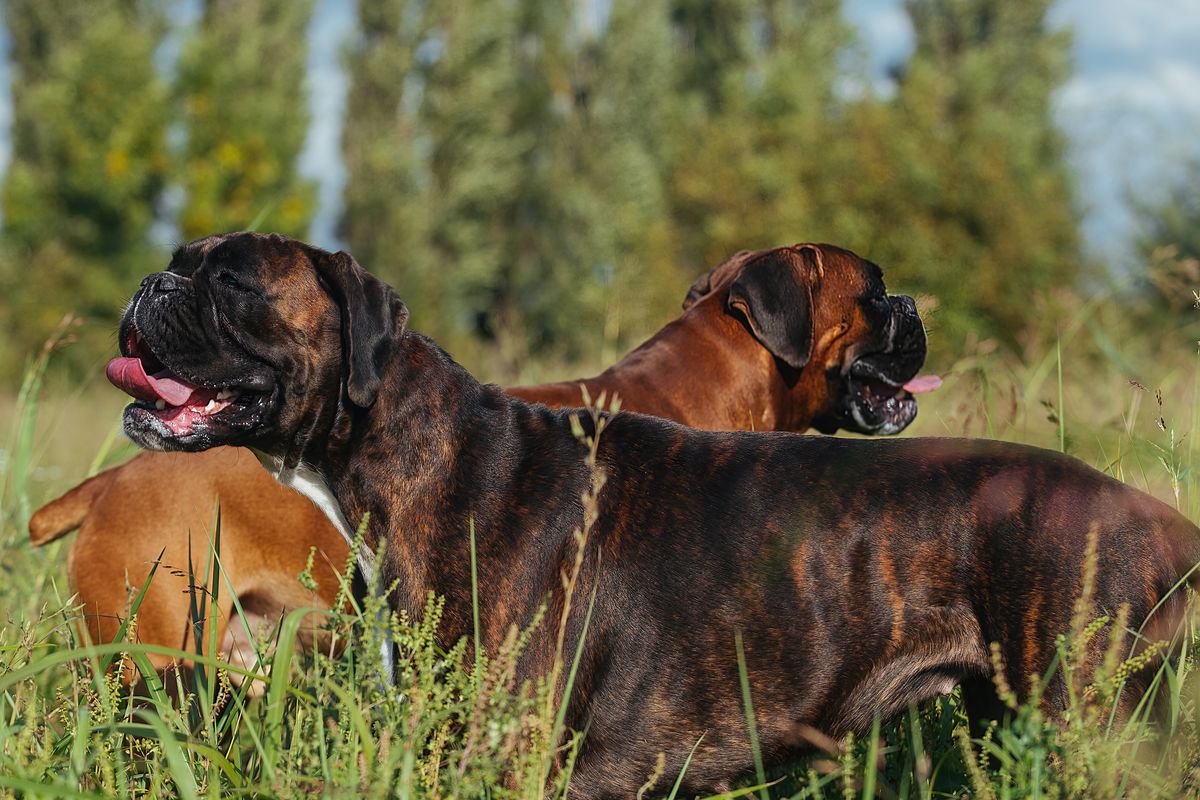
🐾 Fawn Boxer — AKC Standard: The classic Boxer color — ranges from light tan to deep mahogany red. AKC standard. Most common and iconic, often with black mask and white markings.
🐾 Brindle Boxer — AKC Standard: Fawn base with distinctive black stripes — from light striping to heavy "reverse brindle" appearing almost black. AKC standard. Pattern is unique to each dog.
⚠️ White Boxer — NOT AKC Standard: Caused by the extreme piebald gene. NOT AKC standard for conformation. Health implications: higher risk of congenital deafness and sun sensitivity/skin cancer. Require sunscreen. ~18-25% of puppies born white — NOT rare, NOT albino, should NOT be sold at premium prices.
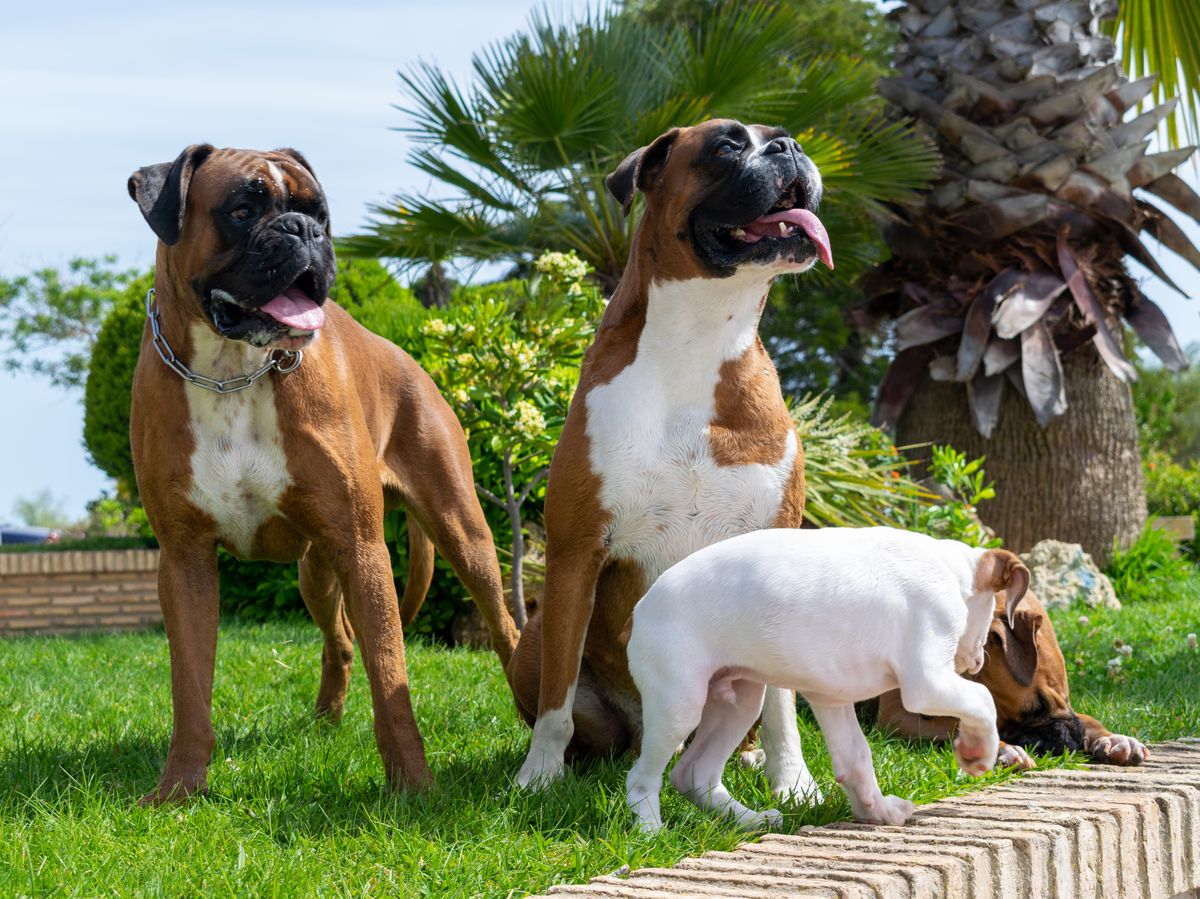
Cost Breakdown
Estimated expenses for owning a Boxer in 2026 (USD)
| Expense Category | Estimated Cost (USD) |
|---|---|
| 🐶 Puppy (health-tested parents) | $1,200 – $3,000 |
| 🍖 Annual Food (quality) | $700 – $1,200 |
| 🏥 Annual Vet + Cancer Screening | $800 – $2,200 |
| 🎯 Training + Toys, Gear, Misc | $600 – $1,500 |
| 💵 Annual Total | $3,100 – $7,900 |
| 💵 Lifetime (9–12 yrs) | $34,000 – $88,000 |
👤 Ideal Owner Profile
✅ Great For
- Active families with children — one of the best breeds for kids
- Those who appreciate goofy, playful dogs with a sense of humor
- Experienced owners who understand brachycephalic care
- Homes with a securely fenced yard for safe zoomies
⚠️ Not Ideal For
- Sedentary/heat-intolerant owners — needs exercise in cool conditions
- People wanting a low-energy lap dog — Boxers are high-octane
- Those unwilling to do cancer vigilance — weekly lump checks save lives
- Homes where the dog is alone all day — separation anxiety is severe
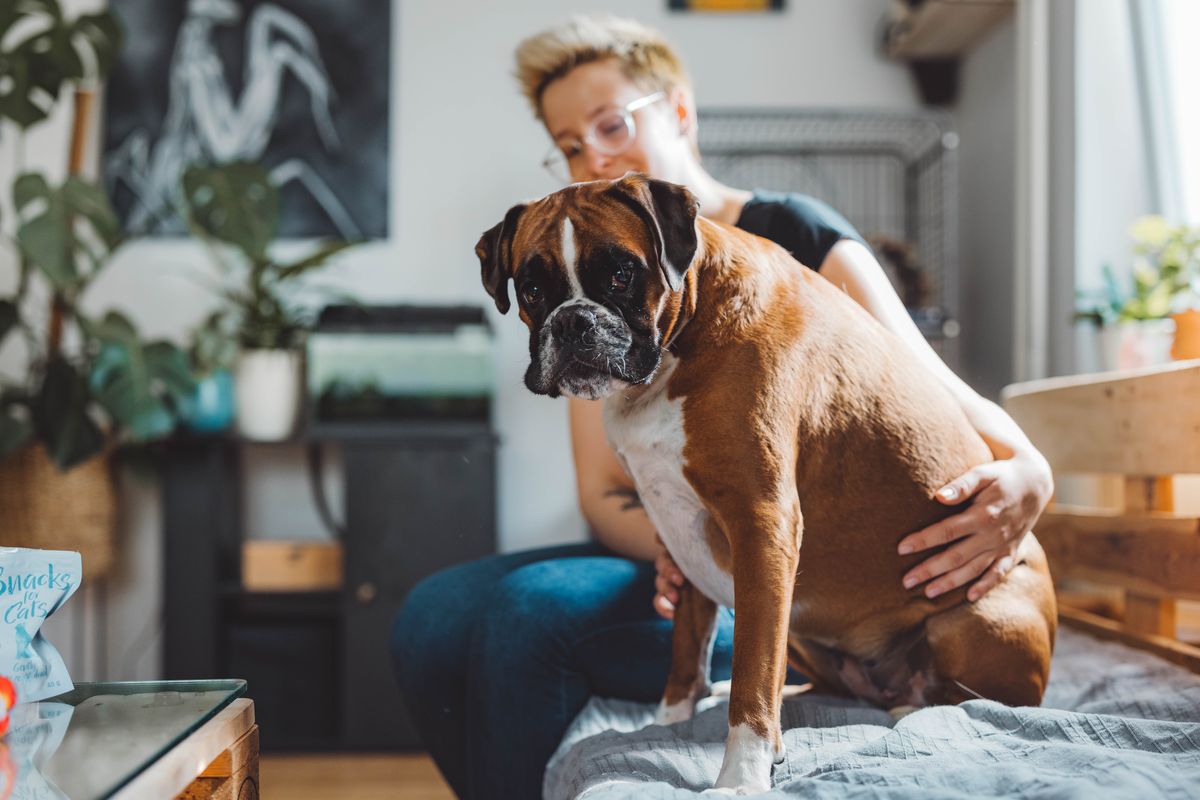
💡 Fun Facts & Trivia
Descended from boar-hunters: The Bullenbeisser tackled wild boar, bear, and bison by the nose — the undershot jaw and brachycephalic face of modern Boxers were adaptations for this dangerous work.
They box with their paws: Boxers earned their name from their habit of standing on hind legs and "boxing" with front paws during play and defense — a direct inheritance from their fighting ancestry.
3 years to mental maturity: Boxers have the longest puppyhood of any working breed — not mentally adult until age 3. A 2-year-old Boxer is a 70-lb toddler.
Undershot bite — by design: The Boxer's undershot jaw (lower teeth in front of upper) is a breed standard requirement — inherited from ancestors that needed to grip prey while breathing.
Hollywood favorites: Humphrey Bogart and Lauren Bacall were devoted Boxer owners. Their Boxer, Harvey, received more fan mail than some supporting actors.
~18% born white: The extreme piebald gene means nearly 1 in 5 Boxer puppies is born white — not albino, but carrying a gene for white spotting. These dogs are perfectly healthy companions.
🔗 Share This Guide
Know someone considering a Boxer? Share this complete guide.
📋 Disclaimer
This article is for informational purposes only and is not a substitute for professional veterinary advice. Consult a licensed veterinarian.
💬 Comments & Questions
Have a Boxer? Share your kidney-bean moments, tips, or questions below!
Comments are temporarily unavailable.
We're setting up our commenting system. Check back soon!