
Long-Haired Calico Cat
A stunning tricolor masterpiece wrapped in luxurious long fur — discover the genetics, personality, grooming secrets, and why 99.9% of calicos are female in our complete 2025 guide.
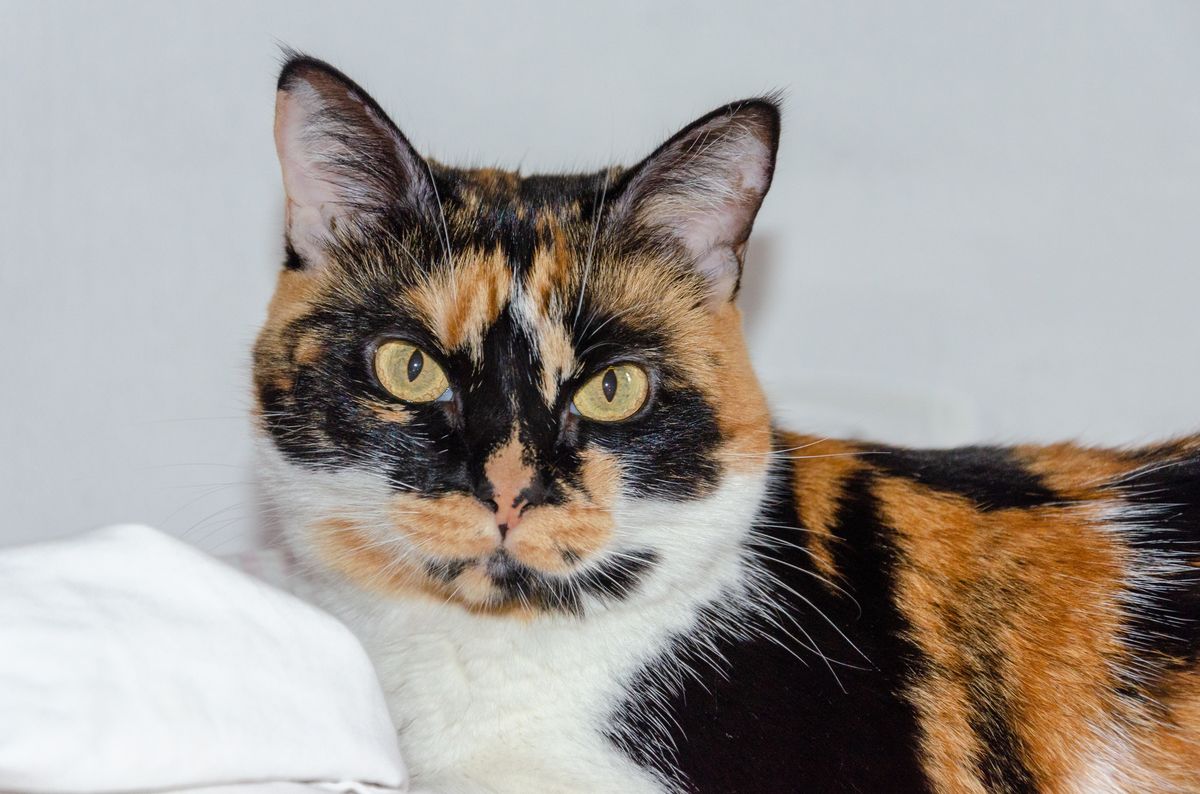
Pattern Overview
Quick facts about the long-haired calico — a pattern, not a breed
📖 What Is a Long-Haired Calico Cat?
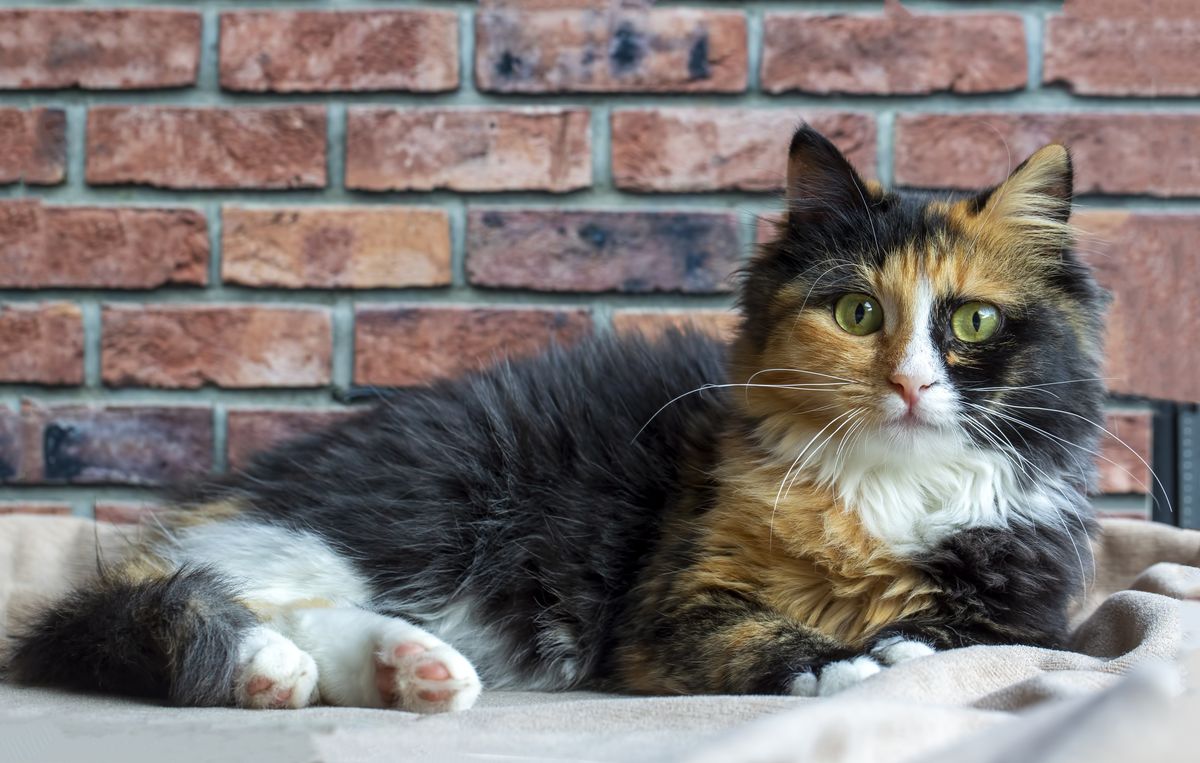
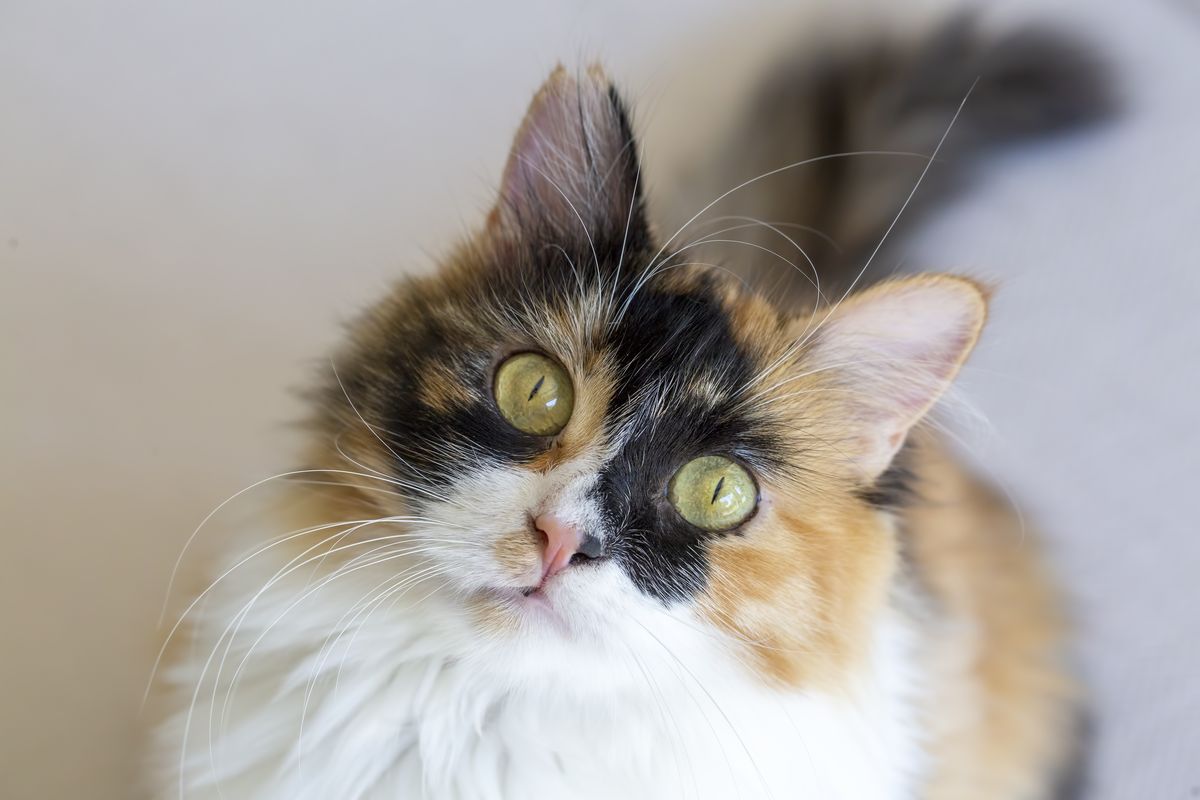
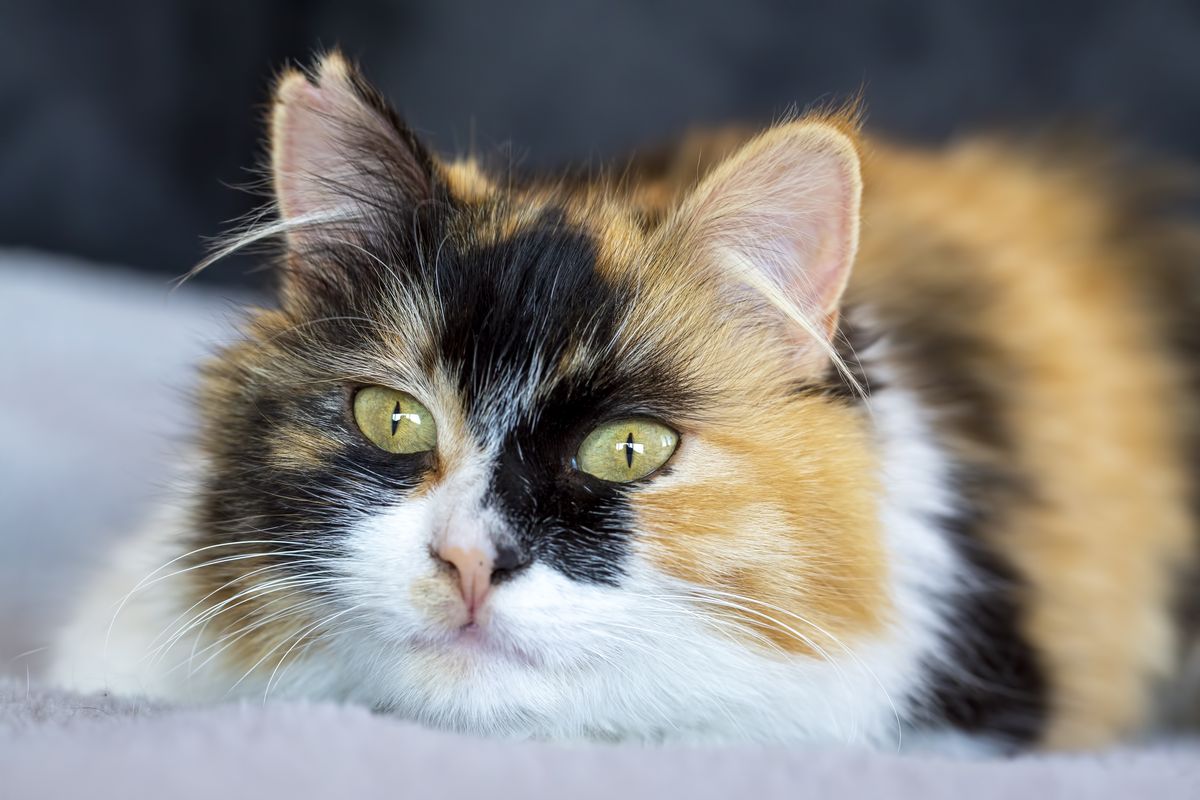
First things first — calico is not a breed. It's a color pattern — a gorgeous tricolor combination of white, orange (or red), and black patches. When this pattern appears on a cat with long, flowing fur, you get what's affectionately called a long-haired calico — one of the most visually striking cats in the world.
The word "calico" comes from Calicut, India (now Kozhikode), where colorful printed calico fabric originated in the 11th century. European traders brought the fabric — and later, the term — back home, and it eventually attached itself to these patchwork-patterned felines.
Long-haired calicos can appear in many breeds including Persians, Maine Coons, Norwegian Forest Cats, Siberian Cats, and Domestic Longhairs. Each has its own personality and care needs, but the calico pattern itself carries some fascinating genetic secrets — most famously, that 99.9% of calico cats are female.
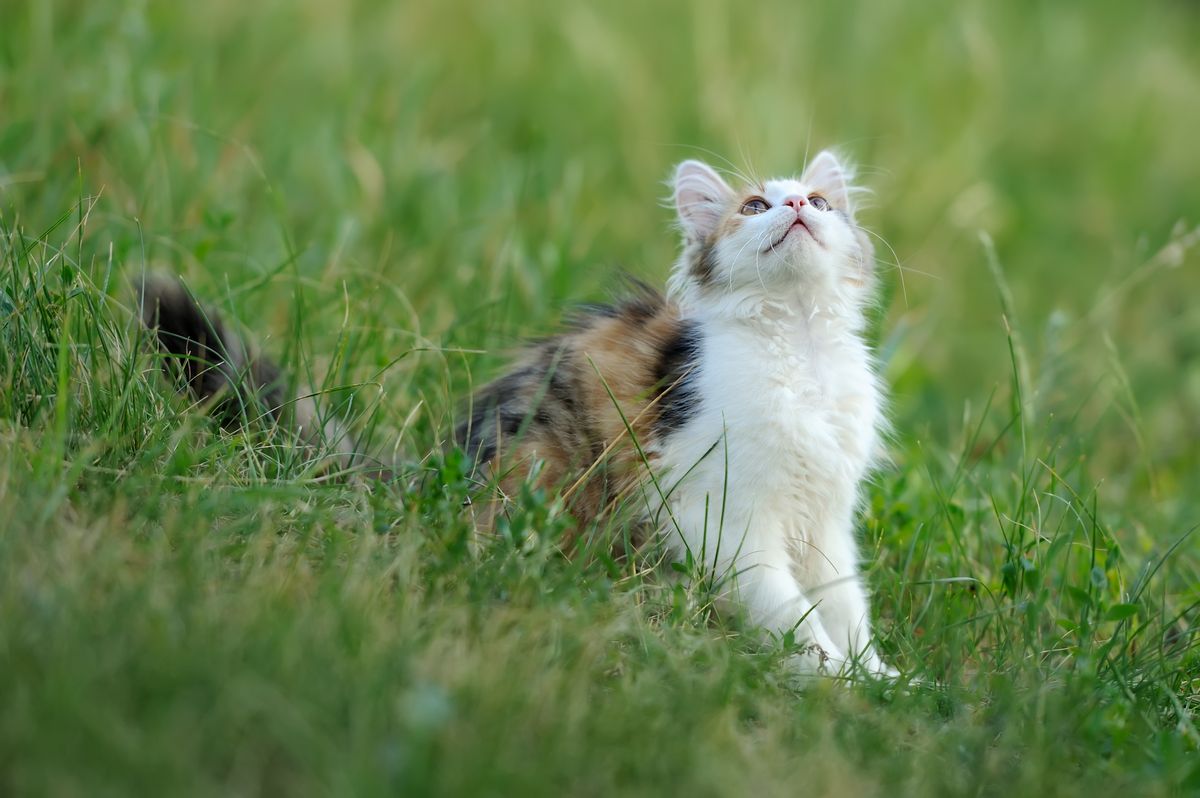
🧬 The Genetics: Why 99.9% of Calicos Are Female
This is one of the most fascinating stories in feline genetics. The genes for black and orange fur are located on the X chromosome. Here's how it works:
- Female cats have two X chromosomes (XX) — one from each parent. This allows them to carry both the black fur gene (on one X) and the orange fur gene (on the other X).
- Male cats have one X and one Y (XY) — they can only inherit one color gene from their mother. So males are black or orange, never both.
- Early in embryonic development, a process called X-inactivation (or Lyonization) randomly "silences" one X chromosome in each cell. In some cells, the orange X is turned off → black patch. In others, the black X is turned off → orange patch.
- The white areas come from a separate "piebald" gene that blocks pigment entirely in some cells.
Key takeaway: You cannot deliberately breed for calico kittens — the pattern is a random genetic phenomenon. No two calico cats have the same pattern. Each one is literally one-of-a-kind.
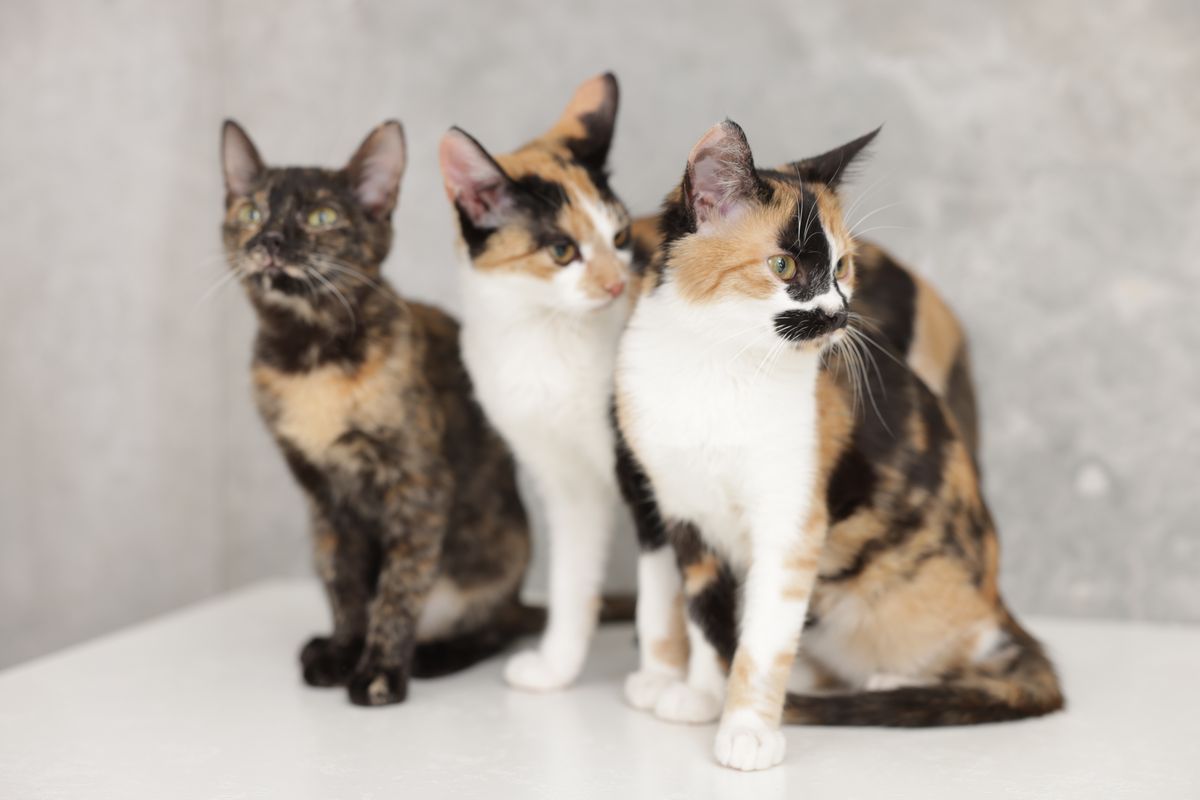
💛 Personality & Temperament
Calico cats are famous for having what owners affectionately call "cattitude" — a delightful mix of sassiness, independence, and deep affection. While personality depends heavily on the underlying breed, calicos across the board share some common traits:
Key Personality Traits
- Spunky & Feisty: Calicos are known for being assertive and strong-willed. They know what they want and aren't shy about letting you know. Some studies even suggest they may be more "feisty" than cats with other coat colors.
- Deeply Affectionate: Once they bond with you, calicos are incredibly loving. They enjoy lap time, cuddles, and will often choose one person as their special human.
- Independent Streak: Unlike some Velcro-cats, calicos value their alone time. They're self-sufficient and won't panic if you leave for work — but they'll greet you warmly when you return.
- Curious & Exploratory: With their bright, intelligent eyes, calicos love to investigate every corner of their territory. New boxes, bags, and shelves are irresistible.
- Vocal & Expressive: Many calicos are talkative cats — they chirp, meow, and trill to communicate their feelings. If they want dinner, you'll hear about it.
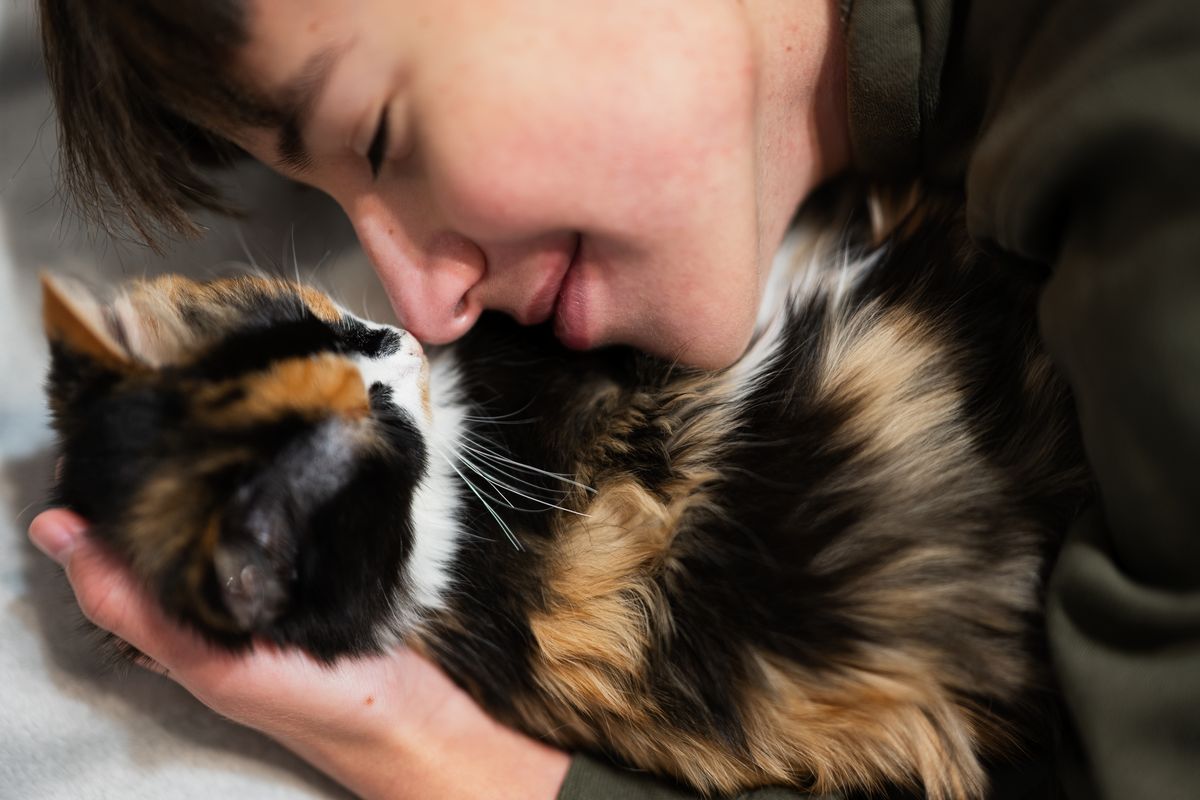
Sociability & Behavior
Personality dimensions rated on a 1–10 scale
✂️ Grooming & Coat Care
This is the most critical responsibility for any long-haired calico owner. That beautiful flowing coat doesn't maintain itself — without proper care, it becomes a tangled, matted nightmare that can lead to skin infections, discomfort, and expensive vet visits.
Daily Grooming Routine
- Daily brushing is NON-NEGOTIABLE. Use a slicker brush followed by a wide-tooth metal comb to reach the undercoat. Pay special attention to friction zones: armpits, behind the ears, belly, and the "pants" area on the hind legs.
- Check for mats every day. Small tangles can be gently worked out with your fingers or a dematting tool. Severe mats close to the skin require a professional groomer — never cut them with scissors (cat skin is paper-thin and easily injured).
- Bathing every 6–8 weeks helps keep the coat clean and reduces dander. Use a cat-specific shampoo — never human products. Long-haired cats may need a conditioner to prevent static and tangles.
- Sanitary trim: Keep the fur around the rear end trimmed short to prevent litter box residue from clinging to the coat. This is especially important for long-haired cats.
🏃 Activity & Playfulness
Long-haired calicos have moderate energy levels — they're not as demanding as a Bengal or Abyssinian, but they definitely need daily stimulation to stay happy and healthy:
- Interactive toys: Wand toys, feather teasers, and laser pointers are perfect for engaging their natural hunting instincts. Aim for 2–3 play sessions of 10–15 minutes each day.
- Puzzle feeders and treat balls challenge their intelligent minds while satisfying their curiosity.
- Vertical space is essential: Cat trees, wall shelves, and window perches give them climbing territory and satisfy their urge to survey their kingdom from above.
- Scratching posts in multiple locations protect your furniture and allow them to stretch those long, luxurious bodies.
Care Needs
Daily care requirements & suitability ratings for long-haired calicos
Grooming
Daily brushing mandatory — long coat mats easily
HIGH MAINTENANCEActivity Needs
Moderate — 2-3 play sessions per day recommended
MODERATEPlayfulness
Enjoys interactive toys, climbing, and hunting games
PLAYFULIndoor Living
Strictly indoor recommended — protects coat & health
EXCELLENTHealth Concerns
Hairballs, matting, obesity, dental disease
MODERATEShedding
Moderate to heavy — especially during seasonal changes
MODERATE-HIGH🍽️ Feeding & Nutrition
A high-quality diet directly affects your calico's magnificent coat. What you put in the bowl shows up in the fur:
- High-quality animal protein should be the #1 ingredient. As obligate carnivores, cats need meat-based diets with minimal fillers.
- Omega-3 and Omega-6 fatty acids (from fish oil, salmon oil) promote a glossy, healthy coat and reduce skin dryness and dandruff.
- Hairball-control formulas can be beneficial for long-haired cats who ingest fur during self-grooming. These contain added fiber to help hair pass through the digestive tract.
- Feed 2–3 small meals per day rather than free-feeding to prevent obesity — a common issue in indoor cats.
- Always provide fresh water. Cat water fountains encourage drinking, which supports kidney health and hydration.
🏠 Home Suitability
The long-haired calico is an indoor companion through and through. Their luxurious coat and gentle nature make outdoor life risky:
✅ Ideal Homes
- Apartments or houses with plenty of vertical space (cat trees, shelves)
- Calm, predictable environments — they appreciate routine
- Households with older children who understand gentle handling and respect feline boundaries
- Temperature-controlled — long coats can overheat in extreme summer heat
❌ Not Ideal For
- Outdoor or indoor-outdoor living — risks include traffic, predators, parasites, and severe coat damage
- Homes with very young, grabby children who may pull that beautiful long fur
- Owners unwilling to commit to daily grooming
👤 Ideal Owner Profile
The long-haired calico is perfect for someone who appreciates a cat with personality, beauty, and a bit of sass. The best calico owner is:
- 🪥 Committed to daily grooming — this is the #1 requirement, no exceptions
- 😺 Someone who loves a cat with character — calicos have opinions and aren't afraid to share them
- 🏠 Home most days — they enjoy companionship but won't fall apart without you
- 🧹 Tolerant of cat hair — long-haired cats shed, especially during seasonal changes
- 🎨 Someone who appreciates uniqueness — every calico pattern is one-of-a-kind
Calico Pattern Variations
Not all calicos look the same — explore the different tricolor patterns
* The underlying breed determines which patterns appear. Dilute calicos have softer pastel tones caused by a recessive gene. Male calicos are 1 in 3,000 — exceptionally rare.
Cost Breakdown
Estimated expenses for a long-haired calico cat in 2025 (USD)
| Expense Category | Estimated Cost (USD) |
|---|---|
| 🐱 Shelter Adoption Fee | $50 – $250 |
| 🏆 Breeder (calico Persian/Maine Coon) | $800 – $2,000+ |
| 📦 Initial Setup (litter box, bed, carrier, toys) | $120 – $450 |
| 🩺 First-Year Vet (vaccines, spay, microchip) | $150 – $500 |
| 🍽️ Monthly Food & Treats | $25 – $60 |
| 🧹 Monthly Litter & Supplies | $15 – $35 |
| 🛡️ Pet Insurance (monthly) | $15 – $40 |
| ✂️ Professional Grooming (every 6-8 weeks) | $40 – $80/session |
| 🏥 Annual Vet Checkups | $100 – $250 |
| 💵 Lifetime Total (15 years) | $5,000 – $25,000 |
* Costs vary by breed, region, and health needs. Adopting from a shelter is the most affordable path.
⚕️ Health & Wellness
Since calico is a pattern, not a breed, health issues depend largely on the underlying breed genetics. However, there are health considerations specific to long-haired cats and calico genetics:
Common Health Concerns
- Hairballs (Trichobezoars): Long-haired cats ingest significant amounts of fur during self-grooming. Daily brushing reduces this dramatically. Hairball-control diets and cat grass can also help.
- Skin Fold Dermatitis & Matting: Neglected coats develop mats that pull on the skin, causing pain, inflammation, and potential bacterial infections. In severe cases, mats can restrict movement.
- Obesity: Indoor cats with moderate activity are prone to weight gain. Monitor portions and encourage daily play.
- Dental Disease: Periodontal disease affects most cats by age 3. Brush teeth regularly and schedule dental checkups.
- Klinefelter Syndrome (Rare Males): Male calicos (XXY) face additional health risks including sterility, reduced bone density, cognitive issues, and shorter lifespan.
- Breed-Specific Issues: If your calico is a Persian, watch for PKD (Polycystic Kidney Disease) and breathing issues. Maine Coon calicos may be prone to HCM (Hypertrophic Cardiomyopathy).
🩺 Preventive Care Tips
- Schedule annual veterinary exams — twice yearly for seniors (10+)
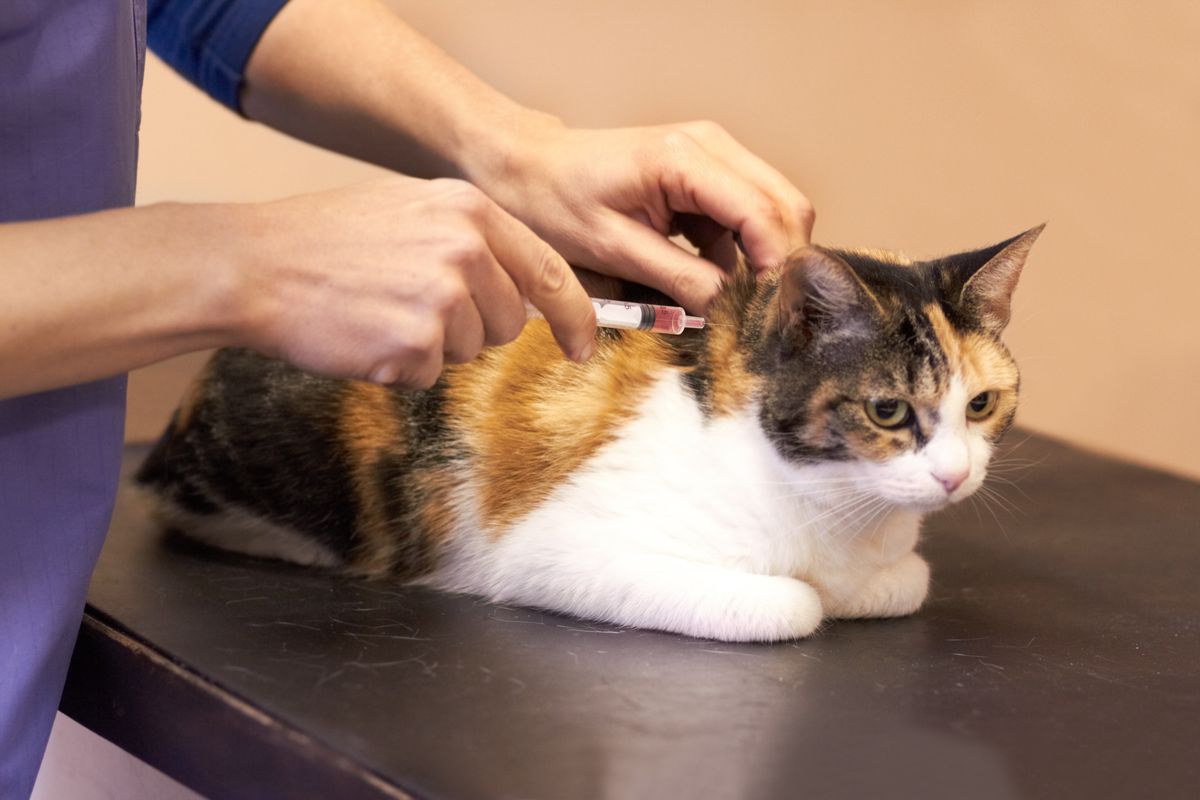
- Keep vaccinations and parasite prevention current
- Maintain a healthy weight through portion control and daily activity
- Brush daily, check for mats, and schedule professional grooming as needed
- Provide fresh water at all times — consider a cat fountain to boost hydration
💡 Fun Facts & Trivia
The long-haired calico is surrounded by centuries of folklore, art, and admiration:
Japanese Good Luck Charm: The famous Maneki-neko ("beckoning cat") figurine is traditionally a calico. Japanese fishermen kept calicos on their boats believing they protected against storms and ghosts.
Official State Cat: Maryland designated the calico as its official state cat in 2001 — the first state to do so. The calico's colors match the Baltimore Oriole (state bird) and Checkerspot Butterfly (state insect).
"Money Cat": In the United States, calicos are sometimes called "money cats" due to the belief that they bring financial fortune to their owners. In Germany, they're Glückskatze — "lucky cat."
Unicorn Cats: Male calicos occur in roughly 1 in 3,000 births. They're so rare that shelters and vets sometimes make news when one appears — hence the nickname "unicorn cat."
One of a Kind: No two calico cats have the same pattern — ever. Each cat's coat is a completely unique work of genetic art, like a living, purring abstract painting.
Ancient Egypt: Calico coloration traces back to ancient Egypt, where tricolor cats were prized and revered. The orange gene spread along Mediterranean trade routes carried by ships.
Celebrity Status: Famous calico cats include Pudge (internet celebrity), and calicos appear in countless works of art, from 18th-century European paintings to modern social media fame.
Science Made History Here: The calico's X-linked coat pattern helped scientists pioneer early genetic research. Maryland chose the calico partly because it's the birthplace of gene mapping.
💬 Comments & Questions
Have a long-haired calico at home? Share your experience below!
Comments are temporarily unavailable.
We're setting up our commenting system. Check back soon!