How Long Do Horses Live?
From the average 25–30 years of a well-cared-for domestic horse to the record-breaking 62 years of Old Billy — discover the complete guide to horse lifespan by breed, wild vs domestic, factors that extend life, and the signs of aging every owner should know.
Horse Lifespan Overview
Key numbers every horse owner should know
📖 What's the Average Horse Lifespan?
The average domestic horse lives 25 to 30 years with proper care. But "average" hides enormous variation. A Shetland Pony can easily reach 35–40 years, while a Clydesdale or Shire draft horse typically lives just 18–25 years. Size matters enormously in equine longevity — and so does the level of care.
In the 1800s, a horse living to 20 was considered old. Today, with modern veterinary medicine, advanced nutrition, and preventive dental and hoof care, a 30-year-old horse is not uncommon. The key insight: horses are living longer than ever before, and many remain rideable well into their twenties.
Lifespan by Breed
How long different horse breeds typically live — from ponies to drafts
🔑 7 Factors That Affect How Long a Horse Lives
- 🧬 Genetics & Breed: The single biggest factor. Ponies naturally outlive draft breeds by 10–20 years. Arabian bloodlines carry longevity genes. Inbreeding in some breeds (Friesians) reduces lifespan.
- 🦷 Dental Care: Horses' teeth grow continuously and wear down unevenly. Without annual floating (filing), sharp edges cause pain, difficulty chewing, weight loss, and malnutrition — dramatically shortening life.
- 🍽️ Nutrition: Overfeeding kills as surely as underfeeding. Obesity leads to laminitis and insulin resistance — leading causes of euthanasia in middle-aged horses. Quality forage, balanced minerals, and clean water are the foundation.
- 🦶 Hoof Care: Neglected hooves cause chronic pain, lameness, and permanent joint damage. Farrier visits every 6–8 weeks are non-negotiable for long-term health.
- 🏃 Exercise & Turnout: Horses evolved to move 15–30 km per day. Stall confinement shortens lifespan through stress, digestive issues, and joint deterioration. Daily turnout is essential.
- 🩺 Preventive Veterinary Care: Vaccinations, deworming, annual bloodwork, and early disease detection add 5–10 years to a horse's life. Colic, the #1 killer, is often preventable with good management.
- 🧘 Stress & Social Life: Horses are herd animals. Isolation, chronic stress, and lack of equine companionship weaken the immune system and reduce lifespan. A happy horse lives longer.
Oldest Horses Ever Recorded
The record-breaking horses that defied all expectations
🌿 Wild vs Domestic Horses
The lifespan gap between wild and domestic horses is staggering — 15 to 20 years difference. A wild Mustang in the American West typically lives just 15–20 years, while its domesticated counterpart can reach 30+:
- Wild horses face constant challenges: predators, drought, harsh winters, limited food, untreated injuries, dental issues, parasites, and no veterinary care. A broken leg or severe infection means death.
- Domestic horses receive consistent nutrition, clean water, dental care, hoof care, vaccinations, deworming, and immediate medical attention when injured or ill. This safety net adds a decade or more.
- Feral horses (like Mustangs, Brumbies) that are captured and domesticated can live just as long as domestic horses — proving that care, not genetics, is the decisive factor.
🕰️ Signs of Aging in Horses
Horses show their age in predictable ways. Recognizing these signs helps you adjust care proactively rather than reactively:
- 🦷 Teeth (The most reliable sign): By age 20+, teeth show significant wear — Galvayne's groove on the upper corner incisor is the classic aging marker. Older horses may drop feed (quidding) due to dental pain.
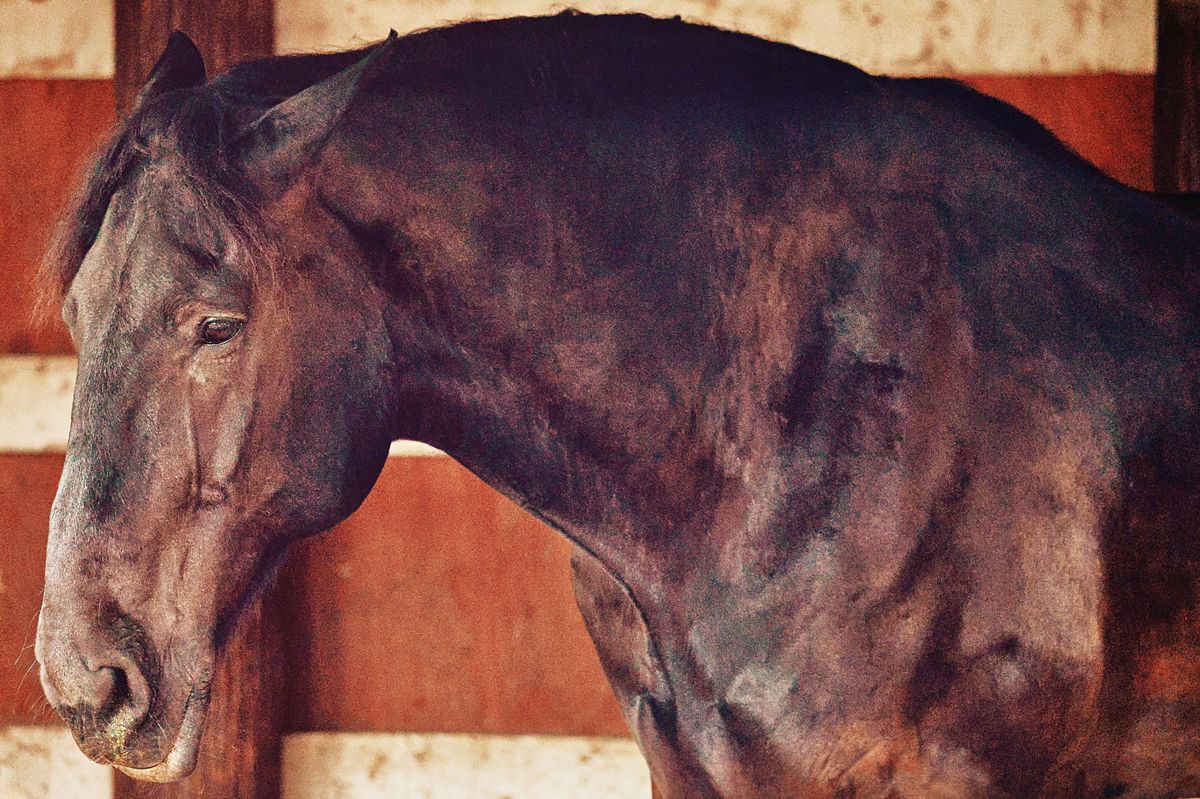
- 🐴 Graying coat: Like humans, horses gray with age. The hair around the eyes, muzzle, and temples turns white first. By 25+, most horses show significant gray.
- 🦴 Swayback (Lordosis): The back dips noticeably as the tendons and ligaments lose elasticity. Not painful in itself, but indicates aging connective tissue.
- 👁️ Hollow eyes & sunken temples: Fat pads above the eyes shrink with age, giving a hollow appearance. The temples become noticeably depressed.
- 🏃 Stiffness & mobility: Arthritis is nearly universal in horses over 20. Joints thicken, movement becomes stiffer, and the horse may be slow to rise after lying down.
- 📉 Weight loss: Older horses struggle to maintain weight due to reduced digestive efficiency and dental issues. Senior feeds are designed with higher digestibility.
💪 How to Extend Your Horse's Lifespan
These are the proven, science-backed strategies to add healthy years to your horse's life:
- ✅ Annual dental exams & floating — the #1 most impactful thing you can do for a senior horse
- ✅ Maintain BCS 5–6 — obesity kills more middle-aged horses than any infection
- ✅ Farrier every 6–8 weeks — even retired horses need hoof care
- ✅ Daily turnout with equine companionship — movement + social interaction = longer life
- ✅ Senior-specific feed — higher digestibility, added joint supplements (glucosamine, chondroitin, MSM)
- ✅ Bi-annual senior blood panels — catch Cushing's (PPID), insulin resistance, and organ decline early
- ✅ Warm, dry shelter — older horses thermoregulate poorly; they need protection from cold and damp
- ✅ Light, consistent exercise — use it or lose it. Gentle riding or hand-walking keeps joints mobile
Lifetime Cost of Owning a Horse
What 30 years of horse ownership actually costs (USD)
| Expense Category | Annual | Over 30 Years |
|---|---|---|
| 🏠 Boarding (pasture/stable) | $3,600 – $14,400 | $108,000 – $432,000 |
| 🥕 Feed & Supplements | $1,800 – $3,600 | $54,000 – $108,000 |
| 🦶 Farrier (every 6–8 weeks) | $480 – $1,800 | $14,400 – $54,000 |
| 🩺 Veterinary (routine + emergency) | $500 – $3,000 | $15,000 – $90,000 |
| 🦷 Dental (annual floating) | $75 – $200 | $2,250 – $6,000 |
| 💉 Vaccinations & Deworming | $150 – $400 | $4,500 – $12,000 |
| 🧹 Tack, Equipment & Supplies | $300 – $1,000 | $9,000 – $30,000 |
| 💵 TOTAL (30 years, 1 horse) | $207,000 – $732,000 |
* Boarding is the single biggest expense. Self-care (own property) dramatically reduces costs but adds land, barn, and fencing expenses.
💡 Fun Facts About Horse Lifespan
Old Billy worked his whole life: The world's oldest horse (62 years) was a barge horse who pulled boats along canals in Lancashire, England. He worked until near the end — proving that consistent light exercise may be a longevity secret.
You can age a horse by its teeth: Horse teeth grow ~3mm per year and wear down with use. Up to about age 12, you can estimate age within a year by examining the eruption, shape, and wear patterns of the incisors.
Size inversely correlates with lifespan: This is true across species — smaller horses live longer. A Shetland Pony at 40 is common. A draft horse at 25 is exceptional. This pattern holds for dogs too.
Donkeys outlive horses: A well-cared-for donkey can live 40–50+ years — significantly longer than most horses. The oldest donkey on record reached 54.
Arabian bloodlines dominate longevity records: Arabians and Arabian crosses appear disproportionately among horses living past 35. Their desert evolution selected for efficiency, hardiness, and metabolic health.
Japan's oldest horse lived to 48: A Japanese pony named Shinzan lived to 48 years old. In Japan, ponies are considered good luck for longevity — and the data backs it up.
💬 Comments & Questions
How old is your horse? Share your senior horse story!
Comments are temporarily unavailable.
Check back soon!